.avif)
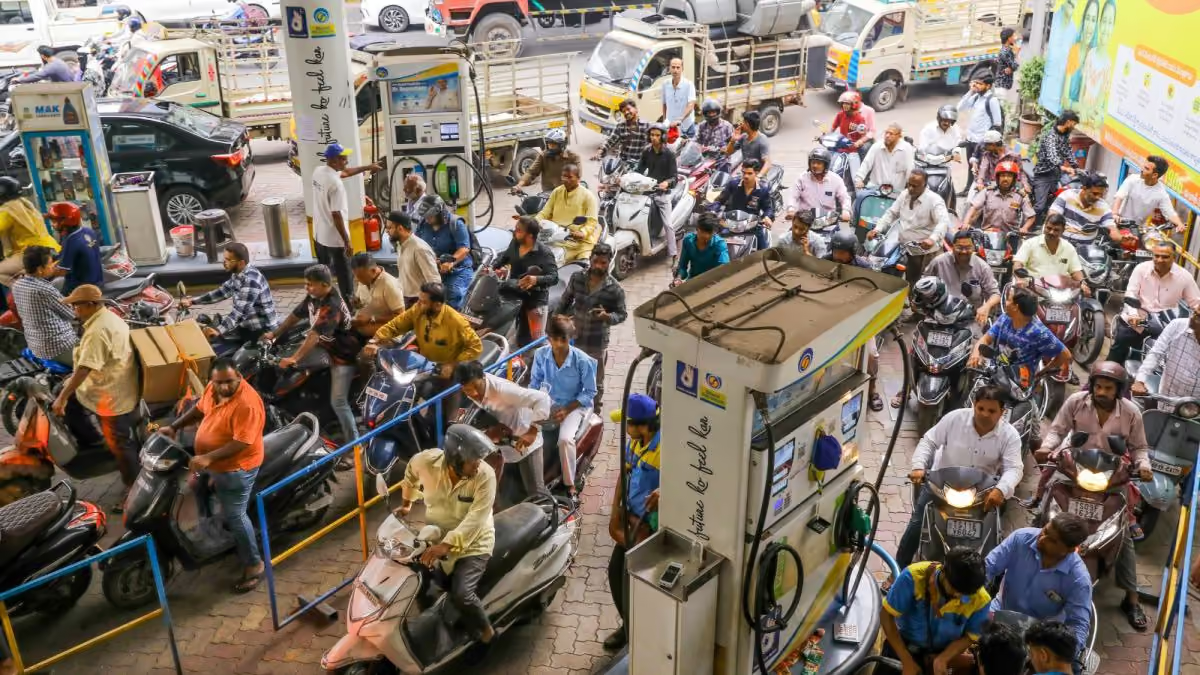
Delhi fuel dealers face a 5-8% volume decline starting this week as the capital implements mandatory two day work from home for government employees, responding to soaring LPG costs that reached high-USD 18s/MMBtu on Asian spot markets amid Middle East supply disruptions. The measures, part of Delhi's "Mera Bharat Mera Yogdaan" campaign, include vehicle purchase moratoriums, virtual meetings, and weekly "No Vehicle Day" appeals. For context, Delhi's total petroleum product consumption represents approximately 2.8% of India's national demand around 850,000 tonnes annually across all fuels. A work from home arrangement (WFH) where employees perform their duties remotely rather than commuting to office locations directly reduces transportation fuel demand by cutting daily travel patterns. The initiative follows PM Modi's explicit call to "reduce petroleum consumption amid escalating geopolitical tensions in the Middle East", where Iran's partial blockade of the Strait of Hormuz has driven energy costs higher globally.
On the buy side: Delhi retail fuel stations approximately 450 petrol pumps and 85 LPG distributors across the National Capital Territory face immediate margin pressure as commuter volumes drop an estimated 18,000-22,000 vehicle trips daily during the 90 day period. Government vehicle fuel allocations have been cut 20% from the existing 200 litre monthly limit, while no new official vehicles will be purchased for six months. Consider a mid-sized retail station in central Delhi averaging 25,000 litres daily in normal operations: the WFH mandate reduces this by approximately 1,200-2,000 litres per day, translating to Rs 24,000-40,000 in daily revenue loss per station. On the sell side: LPG importers face minimal direct impact from Delhi's consumption reduction, as residential cooking gas usage the dominant LPG application remains largely unaffected by office commuting patterns. Nearly 85-90% of India's LPG imports transit the Strait of Hormuz, making supply chain security the primary concern rather than Delhi's demand-side measures.
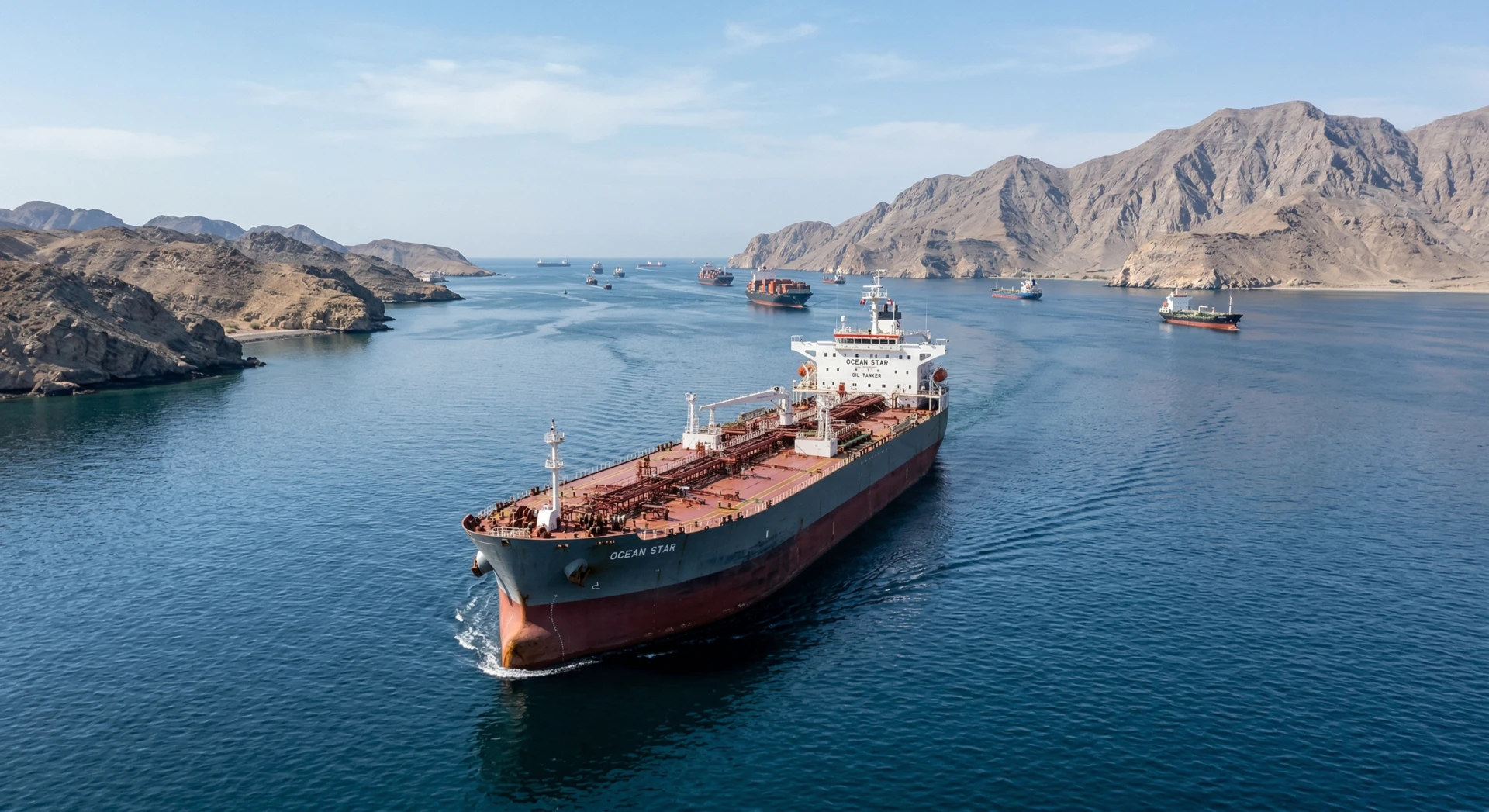
For large integrated traders (Indian Oil Corporation, Bharat Petroleum, Hindustan Petroleum) with diversified refinery access: the Delhi measures provide minor demand cushioning during a period when Indian oil marketing companies have suffered Rs 62,500 crore in under recoveries within one and a half months due to shipping disruptions. These companies can offset Delhi volume declines through increased allocation to suburban markets or other states. Strategic petroleum reserves India maintains 5.33 million tonnes across Visakhapatnam, Mangalore, and Padur provide 9.5 days of import cover, insufficient for sustained supply disruption but adequate for short-term price volatility management. For smaller regional LPG distributors and independent fuel retailers without derivatives access: Delhi's measures compound existing margin pressures from elevated import costs, with limited ability to hedge against Hormuz related price swings. As of early May 2026, 13 Indian flagged vessels remain stranded west of the Strait of Hormuz, down from 17 in April, indicating gradual improvement in transit clearances.
Iran has granted transit access to ships from China, Russia, India, Iraq, Pakistan, Malaysia, and Thailand after diplomatic negotiations, suggesting the worst of the supply disruption may be easing. However, JKM LNG prices remain elevated in the high-USD 18s/MMBtu range on persistent supply disruption concerns, maintaining pressure on India's energy import bill. The structural constraint remains India's 85% crude import dependence and limited strategic reserves relative to consumption patterns. Projections indicate energy import under-recoveries could reach Rs 1.98 lakh crore in Q1 2026 if Hormuz instability continues. Delhi's 90 day program, while politically significant, addresses symptoms rather than the underlying import vulnerability that makes India susceptible to Persian Gulf supply shocks.
For observers: Monitor the spread between JKM spot LNG prices and crude-linked LPG contract prices through June 2026. JKM has ranged between mid-USD 18s and high-USD 19s/MMBtu in May, while Henry Hub traded around $3.07/MMBtu on 18 May. If the JKM-Henry Hub spread widens beyond $15/MMBtu by end-June, expect additional Indian demand destruction measures beyond Delhi's symbolic program. The key indicator is not Delhi's consumption data but India's monthly LPG import volumes any decline below 2.1 million tonnes monthly signals broader demand response to elevated prices. India's Rs 40,000 crore Oman-India gas pipeline project revival represents the longer-term structural solution to Hormuz dependency, but provides no relief for current import pressures.



'%3e%3cg id='Final-Copy-2_2_' transform='translate(1275.000000, 200.000000)'%3e%3cpath class='st0' d='M7.4,12.8h6.8l3.1-11.6H7.4C4.2,1.2,1.6,3.8,1.6,7S4.2,12.8,7.4,12.8z'/%3e%3c/g%3e%3c/g%3e%3c/g%3e%3cg id='final---dec.11-2020'%3e%3cg id='_x30_208-our-toggle' transform='translate(-1275.000000, -200.000000)'%3e%3cg id='Final-Copy-2' transform='translate(1275.000000, 200.000000)'%3e%3cpath class='st1' d='M22.6,0H7.4c-3.9,0-7,3.1-7,7s3.1,7,7,7h15.2c3.9,0,7-3.1,7-7S26.4,0,22.6,0z M1.6,7c0-3.2,2.6-5.8,5.8-5.8 h9.9l-3.1,11.6H7.4C4.2,12.8,1.6,10.2,1.6,7z'/%3e%3cpath id='x' class='st2' d='M24.6,4c0.2,0.2,0.2,0.6,0,0.8l0,0L22.5,7l2.2,2.2c0.2,0.2,0.2,0.6,0,0.8c-0.2,0.2-0.6,0.2-0.8,0 l0,0l-2.2-2.2L19.5,10c-0.2,0.2-0.6,0.2-0.8,0c-0.2-0.2-0.2-0.6,0-0.8l0,0L20.8,7l-2.2-2.2c-0.2-0.2-0.2-0.6,0-0.8 c0.2-0.2,0.6-0.2,0.8,0l0,0l2.2,2.2L23.8,4C24,3.8,24.4,3.8,24.6,4z'/%3e%3cpath id='y' class='st3' d='M12.7,4.1c0.2,0.2,0.3,0.6,0.1,0.8l0,0L8.6,9.8C8.5,9.9,8.4,10,8.3,10c-0.2,0.1-0.5,0.1-0.7-0.1l0,0 L5.4,7.7c-0.2-0.2-0.2-0.6,0-0.8c0.2-0.2,0.6-0.2,0.8,0l0,0L8,8.6l3.8-4.5C12,3.9,12.4,3.9,12.7,4.1z'/%3e%3c/g%3e%3c/g%3e%3c/g%3e%3c/g%3e%3c/svg%3e) Privacy Choices
Privacy Choices