.avif)

UK Agricultural Importers face potential supply disruptions worth £8.9 billion as heat stress reduces working capacity in climate vulnerable nations that supply 13% of Britain's food imports. Heat stress prolonged exposure to temperatures that make outdoor work dangerous or impossible is already constraining agricultural production in countries scoring below 50 on the Notre Dame Global Adaptation Initiative Climate Vulnerability Index. These nations lost 640 billion potential work hours globally in 2024, with agricultural workers accounting for 63.5% of all heat-related work hour losses. With forecasters warning of an 80% likelihood of El Niño conditions emerging between June and August 2026 potentially persisting through early 2027 the pressure on these supply chains is intensifying.
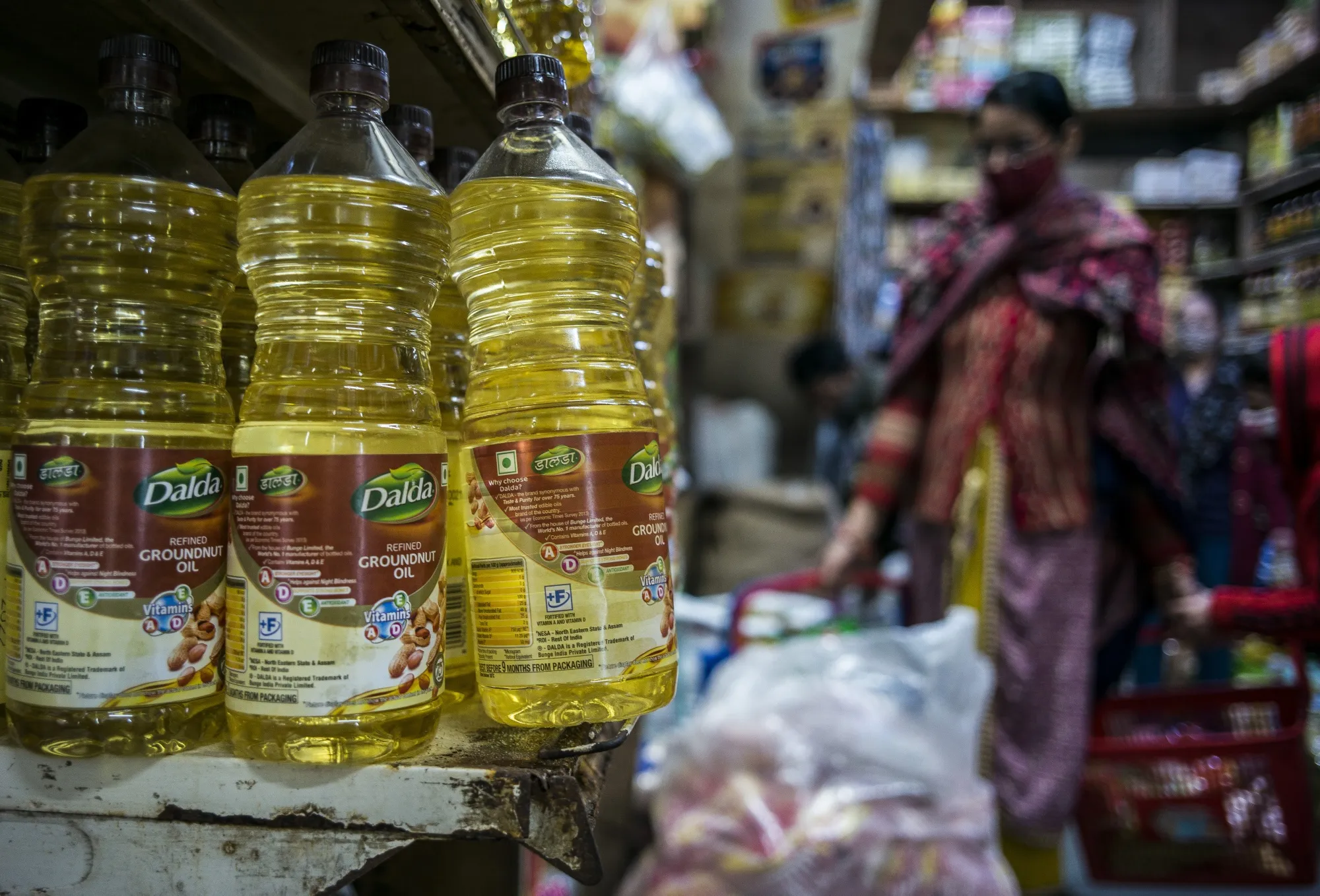
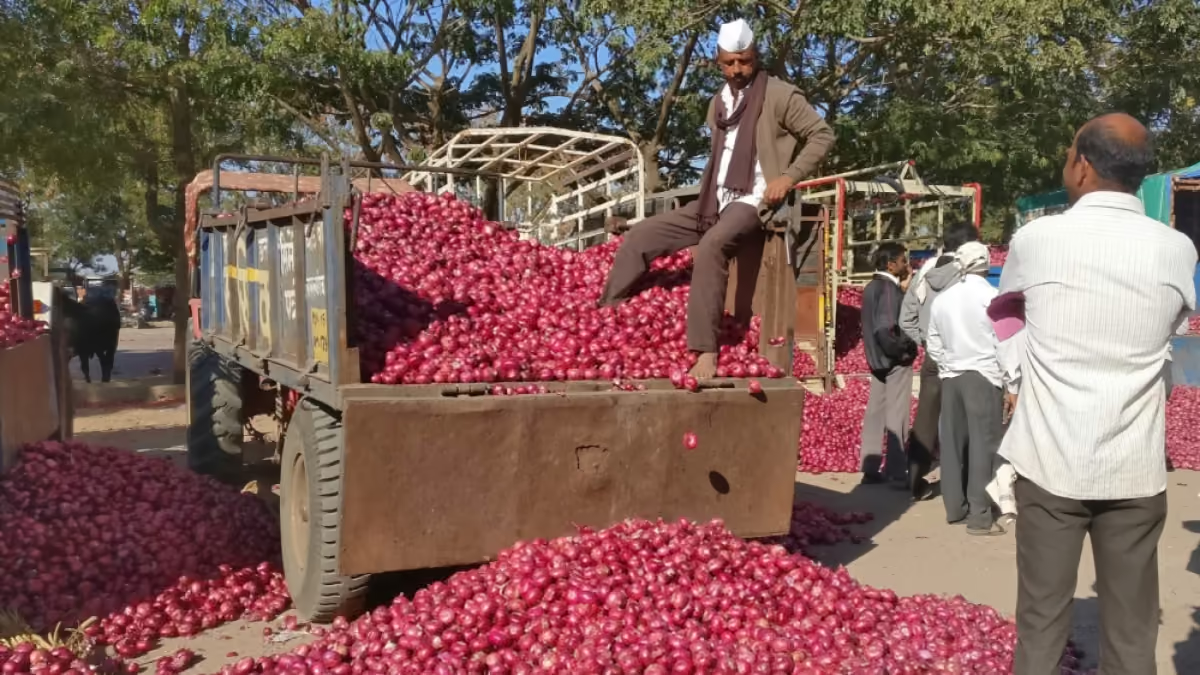
The 15 most vulnerable supplier countries alone accounted for 11% of UK food imports worth £7.4 billion, including rice from India, coffee from Vietnam and Brazil, cocoa from Côte d'Ivoire and Ghana, citrus fruits from South Africa, Peru and Egypt, bananas from Colombia and Ecuador, and tea from Kenya. Agricultural workers in these countries lost an estimated 216 billion working hours to heat stress in 2024 roughly 590 hours per worker, equivalent to nearly 49 working days lost annually. Consider India's rice sector: with temperatures reaching the high forties Celsius, outdoor agricultural work becomes dangerous, jeopardising both worker health and consistent supply flows. A typical rice farm operation that normally employs 20 workers during peak harvest now loses approximately 980 combined working days per season to heat stress forcing either costly night-shift operations or reduced harvesting efficiency.
On the buy side: UK grocery retailers importing staples from these regions face margin compression of 2-3% if heat disruptions tighten supply without immediate price pass-through capability. Cocoa futures trading at $3,831 per tonne on June 9 while down 59.97% from last year remain vulnerable to supply shocks from West African producers where heat stress is intensifying. A major UK supermarket chain sourcing 50,000 tonnes of cocoa annually faces potential cost increases of $50-75 per tonne if El Niño reduces Ivorian output by 10-15%. On the sell side: Alternative suppliers in temperate regions with higher climate resilience such as European fruit producers or North American grain exporters can command 10-15% premiums for reliable, consistent supply commitments. Brazilian coffee exporters, despite heat challenges, benefit from their scale and infrastructure investments that smaller regional producers cannot match.
For India specifically, El Niño could reduce monsoon rainfall during the latter months of 2026, with the Indian Meteorological Department already forecasting below-average rainfall that could significantly impact kharif crops including rice, sugar cane, cotton, and peanuts. Large integrated food traders (Cargill, ADM, major commodity trading houses) with derivatives access can hedge El Niño exposure through weather derivatives or commodity futures, potentially locking in supply at current pricing plus 15-20% risk premiums. Regional operators mid-sized UK food importers, independent distributors, ethnic food specialists without derivatives access must pursue practical alternatives: diversifying supplier bases across multiple climate zones, building 90-120 day inventory buffers for critical products, or negotiating bilateral supply agreements with fixed pricing through Q2 2027 at 8-12% premiums to current spot rates.
Research shows that when climate related food price shocks occur, UK shelf prices fall back by only 1% of the original rise after six months, 5% after a year, and 7% after two years. Climate related disruptions during 2022 and 2023 already added approximately £360 to the average UK household food bill. For observers monitoring El Niño development: track the Oceanic Niño Index (ONI) published monthly by NOAA three consecutive months above +0.5°C confirms El Niño onset. While temperature effects may begin emerging in late 2026, El Niño is more likely to contribute to notably higher global temperatures in 2027, meaning agricultural disruptions could peak during Q1-Q2 2027 harvest cycles. Monitor India Meteorological Department monsoon forecasts bi-weekly through September 2026 any downward revisions below 90% of long-period average signal intensifying supply risk for rice and tea imports.
.jpg)
'%3e%3cg id='Final-Copy-2_2_' transform='translate(1275.000000, 200.000000)'%3e%3cpath class='st0' d='M7.4,12.8h6.8l3.1-11.6H7.4C4.2,1.2,1.6,3.8,1.6,7S4.2,12.8,7.4,12.8z'/%3e%3c/g%3e%3c/g%3e%3c/g%3e%3cg id='final---dec.11-2020'%3e%3cg id='_x30_208-our-toggle' transform='translate(-1275.000000, -200.000000)'%3e%3cg id='Final-Copy-2' transform='translate(1275.000000, 200.000000)'%3e%3cpath class='st1' d='M22.6,0H7.4c-3.9,0-7,3.1-7,7s3.1,7,7,7h15.2c3.9,0,7-3.1,7-7S26.4,0,22.6,0z M1.6,7c0-3.2,2.6-5.8,5.8-5.8 h9.9l-3.1,11.6H7.4C4.2,12.8,1.6,10.2,1.6,7z'/%3e%3cpath id='x' class='st2' d='M24.6,4c0.2,0.2,0.2,0.6,0,0.8l0,0L22.5,7l2.2,2.2c0.2,0.2,0.2,0.6,0,0.8c-0.2,0.2-0.6,0.2-0.8,0 l0,0l-2.2-2.2L19.5,10c-0.2,0.2-0.6,0.2-0.8,0c-0.2-0.2-0.2-0.6,0-0.8l0,0L20.8,7l-2.2-2.2c-0.2-0.2-0.2-0.6,0-0.8 c0.2-0.2,0.6-0.2,0.8,0l0,0l2.2,2.2L23.8,4C24,3.8,24.4,3.8,24.6,4z'/%3e%3cpath id='y' class='st3' d='M12.7,4.1c0.2,0.2,0.3,0.6,0.1,0.8l0,0L8.6,9.8C8.5,9.9,8.4,10,8.3,10c-0.2,0.1-0.5,0.1-0.7-0.1l0,0 L5.4,7.7c-0.2-0.2-0.2-0.6,0-0.8c0.2-0.2,0.6-0.2,0.8,0l0,0L8,8.6l3.8-4.5C12,3.9,12.4,3.9,12.7,4.1z'/%3e%3c/g%3e%3c/g%3e%3c/g%3e%3c/g%3e%3c/svg%3e) Privacy Choices
Privacy Choices