.avif)
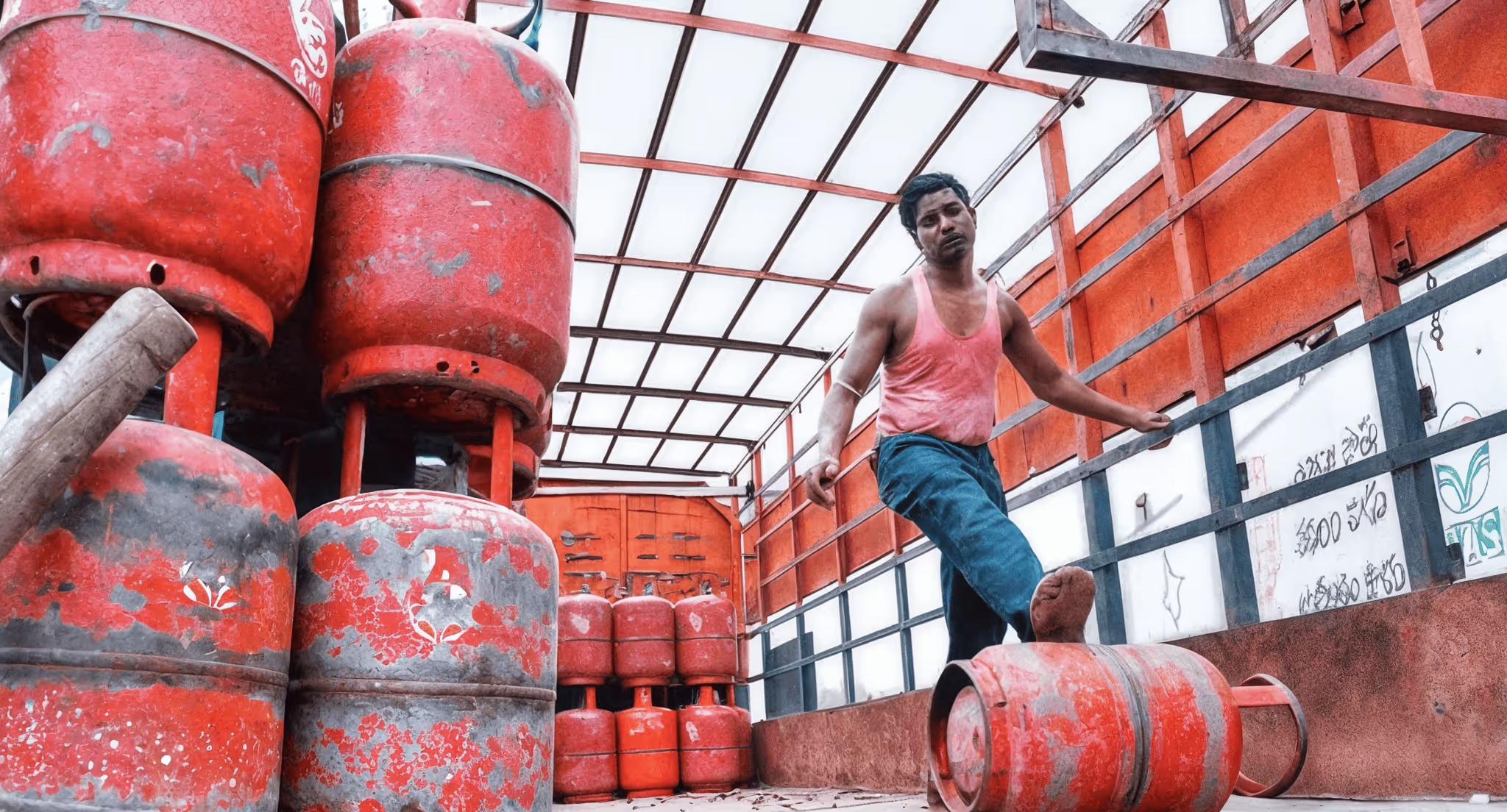
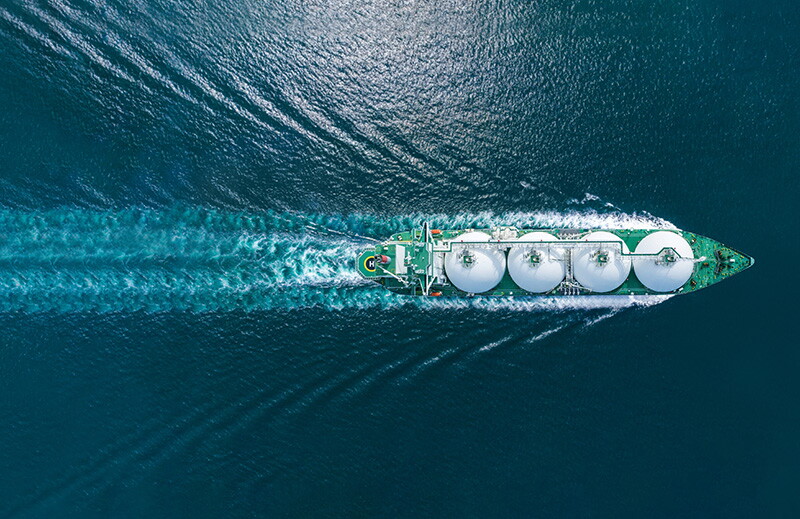
India's commercial LPG buyers face a 20 percentage point demand surge as the government expands allocations from 50% to 70% of pre-crisis levels, targeting labour intensive sectors amid West Asia supply disruptions. The policy shift creates immediate pressure on importers who must service additional volumes while global LPG supply chains remain constrained by the Iran conflict and wider Middle East shipping risks. For large integrated buyers like Reliance Industries or IOC's commercial arm, the expanded allocation means securing an additional 800,000-1.2 million tonnes annually across their customer base equivalent to 32-48 additional VLGC (Very Large Gas Carrier) cargoes of 25,000 tonnes each. Mid-tier regional distributors face a more complex challenge, they lack the hedging tools and credit facilities of major players but must still compete for the same constrained cargo pool. The government's 48 hour nomination window for accessing the additional 20% allocation adds operational urgency, requiring buyers to demonstrate PNG (piped natural gas) transition applications or qualify for exemptions where gas substitution isn't feasible.
The margin anatomy reveals how this allocation expansion compresses profitability across the commercial LPG supply chain. Before the crisis, a typical commercial distributor earned Rs 8-12 per kg on LPG sales to industrial customers, with procurement costs around Rs 52-55/kg CIF (cost, insurance, freight) Mumbai for Saudi Aramco or Qatargas cargoes. The 20% demand increase now forces buyers to compete for scarcer spot cargoes, pushing CIF costs toward Rs 58-62/kg a Rs 6-7/kg margin squeeze before factoring in higher financing costs for extended credit terms. Large buyers with long-term contracts (LTCs) covering 60-70% of their volumes maintain some protection, but the incremental 20% must be sourced from an increasingly expensive spot market. For industrial end users in steel, automobiles, and textiles the priority sectors identified by the government this translates to input cost increases of Rs 200-300 per tonne of finished product, depending on LPG intensity. The government's stockpile of 800 TMT en route provides temporary relief but represents delayed cargoes rather than additional global supply capacity.
On the buy side, integrated players like Indian Oil Corporation and Hindustan Petroleum benefit from established Middle East supplier relationships and access to derivative markets for price risk management. IOC's commercial LPG division can layer in Asian LPG swaps to hedge the incremental volumes at current forward curves showing $50-60/tonne backwardation where near-term prices exceed forward prices, signalling tight physical supply. Their treasury operations can also secure letters of credit (LCs) bank guarantees ensuring payment upon document presentation at preferential rates for the additional cargo requirements. However, even these advantages have limits, IOC's typical 60 day payment terms may extend to 90 days for some suppliers, increasing working capital requirements by $45-60 million for the incremental volumes. Mid-tier buyers face starker challenges, often lacking credit facilities to finance additional spot purchases and forced to accept shorter payment terms that further compress cash flow.
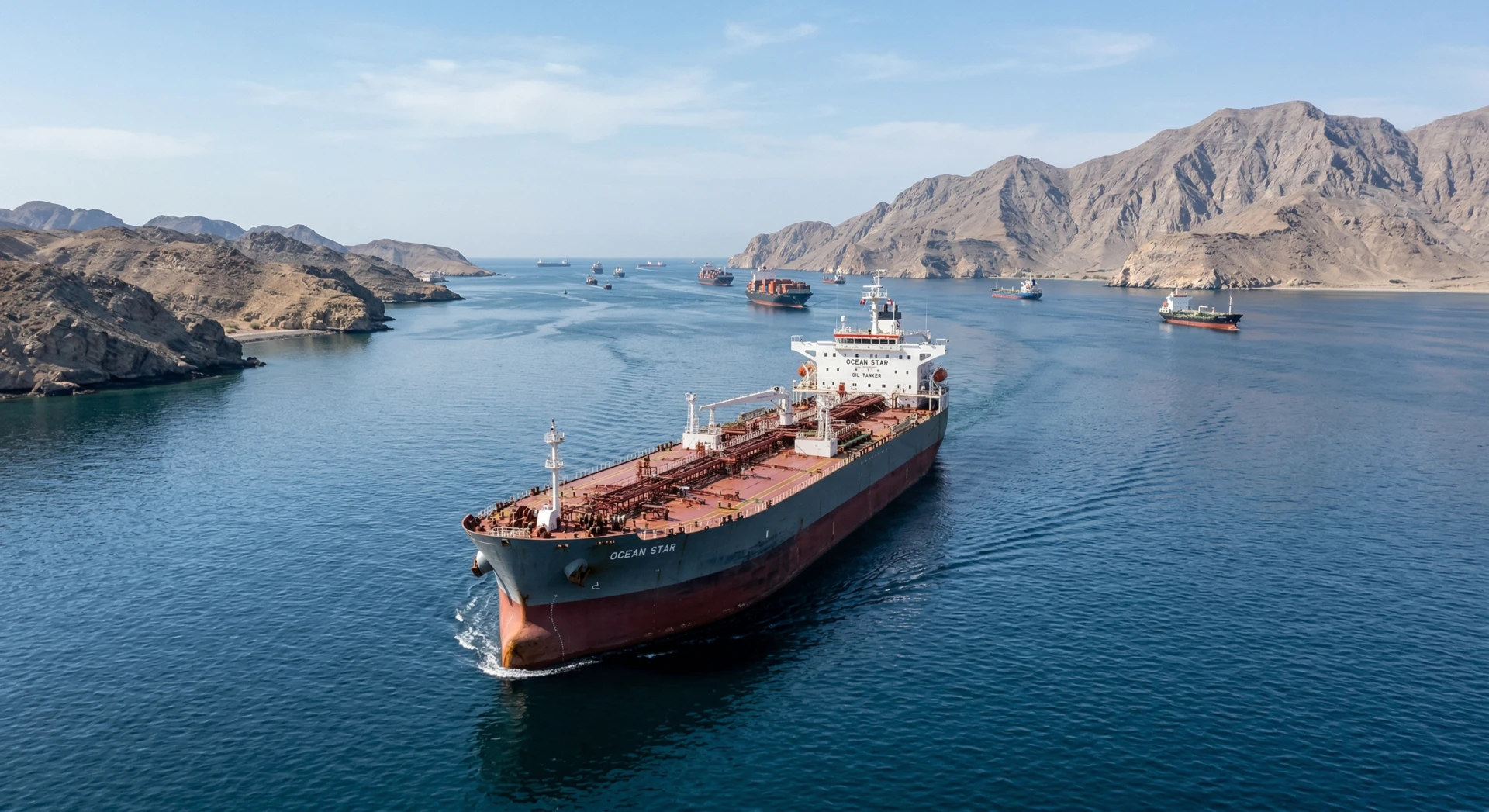
On the sell side, Middle East producers gain enhanced pricing power as Indian demand competes with other Asian buyers for limited export availability. Saudi Aramco and Qatar Energy can command premium pricing for their LPG exports, with Indian buyers now willing to pay $15-25/tonne above benchmark Asian LPG prices for guaranteed supply. However, suppliers also face delivery risks, the 800 TMT of Indian bound LPG cargo en route includes vessels that have faced delays due to Red Sea routing changes, adding 7-10 days to typical 12 day voyages from the Persian Gulf to Mumbai. This extended transit time reduces effective cargo availability and increases demurrage risks daily vessel rental costs of $35,000-45,000 that suppliers must absorb if discharge delays occur. For trading houses like Vitol and Trafigura, the Indian allocation expansion creates arbitrage opportunities between their Middle East sourcing and premium Asian demand, but execution depends on securing vessel capacity in a constrained shipping market.
The operational challenges multiply across different operator scales in India's LPG import infrastructure. Large terminals like IOC's Mumbai facility can handle 3-4 VLGC discharges monthly, but the 20% demand increase pushes utilisation toward 85-90% capacity leaving minimal flexibility for scheduling delays or maintenance windows. These integrated operators benefit from internal logistics coordination, IOC can optimise across its 15,000-tonne rail tank cars and 150+ truck loading terminals to distribute the additional volumes efficiently. Regional distributors operating 2,000-5,000 tonne storage facilities face tighter constraints, often relying on smaller coastal vessels or truck deliveries from major terminals. A typical regional distributor in Tamil Nadu or Gujarat must now secure 400-600 additional tonnes monthly equivalent to 20-30 truck loads without proportional storage expansion. The government's administrative requirements add complexity, operators must register with oil marketing companies and demonstrate PNG transition applications, creating compliance costs and delays that smaller operators struggle to absorb.
The forward signals embedded in this policy shift reveal deeper structural pressures in India's energy transition strategy. The government's emphasis on labour intensive industries steel, automobiles, textiles reflects concerns about industrial competitiveness as global supply chains adjust to Middle East instability. The waiver of PNG transition requirements for non-substitutable uses acknowledges that city gas distribution (CGD) infrastructure remains inadequate for full LPG replacement, India's CGD network covers only 280 cities against a target of 400+ by 2025. The maintained stockpile buffer suggests officials expect continued supply volatility through 2026, with the Iran conflict and Red Sea shipping risks unlikely to resolve quickly. For procurement managers in affected industries, this signals a need for dual-fuel capability investments and supplier diversification beyond traditional Middle East sources. The 40% increase in domestic LPG production mentioned by officials likely from ONGC and Oil India's recent capacity additions provides only marginal relief given India's 65% import dependency.
The broader implications for India's LPG market structure point toward sustained higher pricing and supply chain complexity through mid-2026. The government's crisis allocation methodology expanding commercial quotas while maintaining residential subsidies essentially transfers supply risk to industrial buyers who lack the political sensitivity of domestic consumers. This creates a two-tier market where commercial buyers bear volatility while residential LPG remains artificially stable through budget support. For international suppliers, India's expanded commercial demand competes directly with residential LPG needs in other Asian markets particularly Indonesia, Thailand, and Philippines potentially driving regional price convergence upward. The policy also accelerates infrastructure investment timelines, city gas distributors now face pressure to expand PNG networks more rapidly, while LPG terminal operators must consider capacity additions despite uncertain long-term demand. The 48 hour nomination window itself signals government recognition that allocation mechanisms must become more responsive to supply volatility, potentially paving the way for more market-based distribution systems once the current crisis period concludes.


'%3e%3cg id='Final-Copy-2_2_' transform='translate(1275.000000, 200.000000)'%3e%3cpath class='st0' d='M7.4,12.8h6.8l3.1-11.6H7.4C4.2,1.2,1.6,3.8,1.6,7S4.2,12.8,7.4,12.8z'/%3e%3c/g%3e%3c/g%3e%3c/g%3e%3cg id='final---dec.11-2020'%3e%3cg id='_x30_208-our-toggle' transform='translate(-1275.000000, -200.000000)'%3e%3cg id='Final-Copy-2' transform='translate(1275.000000, 200.000000)'%3e%3cpath class='st1' d='M22.6,0H7.4c-3.9,0-7,3.1-7,7s3.1,7,7,7h15.2c3.9,0,7-3.1,7-7S26.4,0,22.6,0z M1.6,7c0-3.2,2.6-5.8,5.8-5.8 h9.9l-3.1,11.6H7.4C4.2,12.8,1.6,10.2,1.6,7z'/%3e%3cpath id='x' class='st2' d='M24.6,4c0.2,0.2,0.2,0.6,0,0.8l0,0L22.5,7l2.2,2.2c0.2,0.2,0.2,0.6,0,0.8c-0.2,0.2-0.6,0.2-0.8,0 l0,0l-2.2-2.2L19.5,10c-0.2,0.2-0.6,0.2-0.8,0c-0.2-0.2-0.2-0.6,0-0.8l0,0L20.8,7l-2.2-2.2c-0.2-0.2-0.2-0.6,0-0.8 c0.2-0.2,0.6-0.2,0.8,0l0,0l2.2,2.2L23.8,4C24,3.8,24.4,3.8,24.6,4z'/%3e%3cpath id='y' class='st3' d='M12.7,4.1c0.2,0.2,0.3,0.6,0.1,0.8l0,0L8.6,9.8C8.5,9.9,8.4,10,8.3,10c-0.2,0.1-0.5,0.1-0.7-0.1l0,0 L5.4,7.7c-0.2-0.2-0.2-0.6,0-0.8c0.2-0.2,0.6-0.2,0.8,0l0,0L8,8.6l3.8-4.5C12,3.9,12.4,3.9,12.7,4.1z'/%3e%3c/g%3e%3c/g%3e%3c/g%3e%3c/g%3e%3c/svg%3e) Privacy Choices
Privacy Choices