.avif)
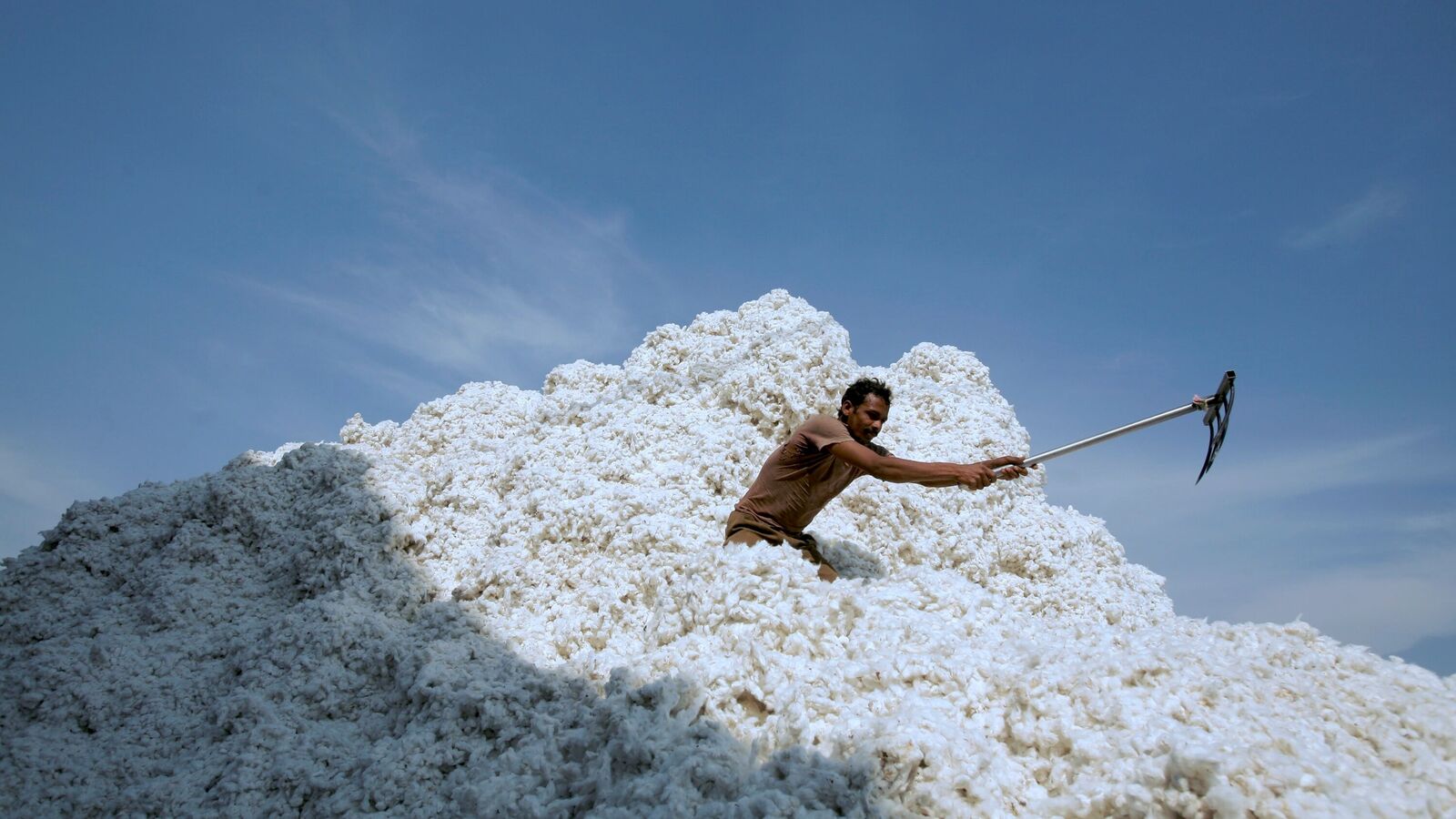
Cotton importers operating in India gain an immediate 11% margin improvement starting June 1, as New Delhi suspends all customs duties including the basic duty and Agriculture Infrastructure and Development Cess on cotton imports through October 30, 2026. The temporary removal eliminates the 11% total import duty that was reinstated in January 2026 following a brief suspension from August to December 2025. For a mid-sized textile manufacturer importing 5,000 tonnes monthly from Australia or the United States, this translates to immediate cost savings of approximately $550 per tonne equivalent to ₹4.6 crore monthly for sustained import volumes.
The margin shift comes as cotton prices have surged 11-15% in just one month, compressing textile manufacturer margins to unsustainable levels. A letter of credit (LC) the bank guarantee mechanism that enables most international commodity trade now carries 11% less cost burden for Indian cotton buyers. With ICE Cotton No. 2 futures trading around 77-80 cents per pound, the duty elimination effectively reduces the landed cost of imported cotton from approximately $1,760 to $1,580 per tonne for a standard shipment from Texas.
On the buy side, large integrated textile manufacturers Welspun Living, Indo Count Industries, regional spinning mills with direct import capabilities can now source international cotton at parity with domestic Minimum Support Price (MSP) levels. Export oriented companies gain particular advantage as they compete directly with Bangladesh, Vietnam, and China manufacturers in global textile markets where pricing remains highly competitive. A 50,000 bale monthly importer saves roughly ₹21 crore over the five month window, margin that can be retained or passed through to downstream garment manufacturers.
On the sell side, domestic cotton farmers face price pressure as duty-free imports create direct competition with MSP supported domestic production. Cotton imports have already increased 85% year on year to 1.5 million bales in the first five months of fiscal 2026, meeting over 10% of total demand. The Cotton Corporation of India (CCI) the government agency responsible for MSP purchases must now compete with duty free international cotton priced at global market rates. Cotton prices have been trading marginally below MSP since November 2024, indicating domestic production already faces pressure.
For large integrated traders with derivatives access international trading houses, national oil company trading arms the duty suspension creates arbitrage opportunities between MSP supported domestic cotton and duty free imports. A 10,000 tonne position can be hedged using ICE Cotton No. 2 futures while capturing the 11% duty differential on physical delivery. Freight costs from Houston to Mumbai average $45-50 per tonne on handysize vessels, leaving substantial margin for traders who can efficiently execute the import-domestic substitution.
For smaller regional operators mid-sized spinning mills, garment manufacturers, textile cooperatives without derivatives access, the practical equivalent involves bilateral contracting with international suppliers at fixed prices through the October window. A regional spinning mill can negotiate 3-6 month supply contracts with Brazilian or Australian exporters, locking duty free pricing before the suspension expires. This provides input cost certainty during peak textile production season without requiring complex hedging instruments.
The physical supply chain implications center on increased cotton flows through major Indian ports. Cotton imports are likely to be sourced from surplus exporters including Australia, Brazil, the United States, and Africa. A standard 35,000 tonne cotton carrier from Santos to Kandla requires 18-22 days transit time, meaning importers must commit to shipments by mid-September to capture full duty savings before the October 30 expiration. Port capacity at Kandla, Mumbai, and Chennai can accommodate increased cotton volumes, but warehouse storage becomes critical during monsoon season.
Freight rates for cotton shipments to India determine where margin concentrates in this trade. At current rates of approximately $45 per tonne from US Gulf ports, vessel operators capture minimal freight margin compared to cotton importers' 11% duty savings. However, if import volumes surge beyond current infrastructure capacity, freight rates could increase 20-30%, shifting some margin from importers to shipowners. The Panamax vessel class typically used for cotton shipments could see increased demand on US-India and Brazil-India routes.
For observers, the key signal to monitor is the Cotlook A Index the benchmark international cotton price versus Indian domestic spot prices through October. The Cotlook A Index was quoted at 77.85 cents in late May, while Indian cotton trades near MSP levels of approximately 75-80 cents. If duty-free imports maintain this price differential, the suspension succeeds in providing input cost relief. However, if international prices rise faster than domestic prices, the margin benefit diminishes regardless of duty elimination.


.jpg)
'%3e%3cg id='Final-Copy-2_2_' transform='translate(1275.000000, 200.000000)'%3e%3cpath class='st0' d='M7.4,12.8h6.8l3.1-11.6H7.4C4.2,1.2,1.6,3.8,1.6,7S4.2,12.8,7.4,12.8z'/%3e%3c/g%3e%3c/g%3e%3c/g%3e%3cg id='final---dec.11-2020'%3e%3cg id='_x30_208-our-toggle' transform='translate(-1275.000000, -200.000000)'%3e%3cg id='Final-Copy-2' transform='translate(1275.000000, 200.000000)'%3e%3cpath class='st1' d='M22.6,0H7.4c-3.9,0-7,3.1-7,7s3.1,7,7,7h15.2c3.9,0,7-3.1,7-7S26.4,0,22.6,0z M1.6,7c0-3.2,2.6-5.8,5.8-5.8 h9.9l-3.1,11.6H7.4C4.2,12.8,1.6,10.2,1.6,7z'/%3e%3cpath id='x' class='st2' d='M24.6,4c0.2,0.2,0.2,0.6,0,0.8l0,0L22.5,7l2.2,2.2c0.2,0.2,0.2,0.6,0,0.8c-0.2,0.2-0.6,0.2-0.8,0 l0,0l-2.2-2.2L19.5,10c-0.2,0.2-0.6,0.2-0.8,0c-0.2-0.2-0.2-0.6,0-0.8l0,0L20.8,7l-2.2-2.2c-0.2-0.2-0.2-0.6,0-0.8 c0.2-0.2,0.6-0.2,0.8,0l0,0l2.2,2.2L23.8,4C24,3.8,24.4,3.8,24.6,4z'/%3e%3cpath id='y' class='st3' d='M12.7,4.1c0.2,0.2,0.3,0.6,0.1,0.8l0,0L8.6,9.8C8.5,9.9,8.4,10,8.3,10c-0.2,0.1-0.5,0.1-0.7-0.1l0,0 L5.4,7.7c-0.2-0.2-0.2-0.6,0-0.8c0.2-0.2,0.6-0.2,0.8,0l0,0L8,8.6l3.8-4.5C12,3.9,12.4,3.9,12.7,4.1z'/%3e%3c/g%3e%3c/g%3e%3c/g%3e%3c/g%3e%3c/svg%3e) Privacy Choices
Privacy Choices