.avif)
.avif)
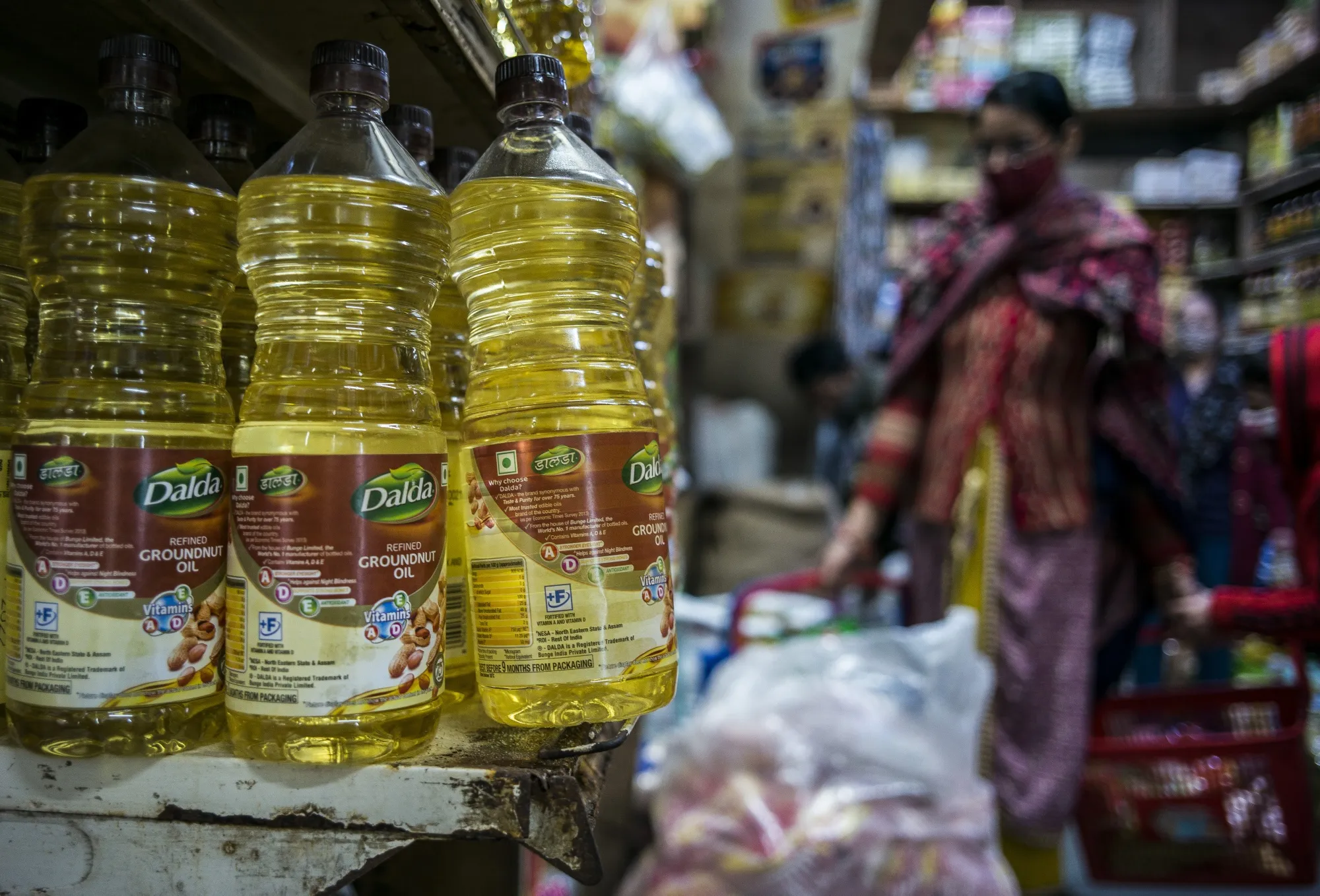
Small scale oil packers face immediate margin compression of $8–12/MT as India's edible oil import sector confronts standardized packaging rules that take effect within three months. The Department of Consumer Affairs implemented the regulation on June 6, 2026, mandating nine specific pack sizes 200 ml/g through 20 kg/litre for all major edible oils including palm, soybean, sunflower, mustard, and groundnut. The Ministry confirmed the Standard Operating Procedure follows consultations with industry associations representing roughly 90% of India's domestic processing sector. This regulatory shift forces importers and packagers to abandon profitable irregular sizes like 850 ml, 875 ml, 900 ml and 950 ml packs that made price comparison difficult for consumers but allowed margin optimization through confusion pricing.
Standardized packaging creates a structural cost for operators who must retool their lines for compliance. Consider a mid-sized regional oil packer handling 5,000 MT monthly across multiple pack sizes previously profitable 870g pouches (priced at ₹95 versus ₹105 for standard 1kg) must convert to the mandated 1kg format. The packaging cost differential of approximately ₹2.5/unit, spread across reduced volumes, translates to roughly ₹10–12/MT margin loss. A single liter of oil typically weighs between 910 and 930 grams, and the regulation requires dual labeling if declared in volume, the equivalent weight must appear prominently on packaging. This doubles label complexity and printing costs for multi-format operations.
On the buy side, large institutional buyers hotels, restaurant chains, and industrial food processors benefit from simplified procurement. Previously, purchasing teams had to calculate per-unit costs across dozens of irregular pack formats. The standardization reduces procurement complexity and enables automated price comparison systems. For smaller buyers individual retailers and distributor networks the change eliminates the pricing shell game that obscured true value comparisons. Packages below 200 ml or 200 grams remain exempt from standardization rules to protect low-income consumer access.
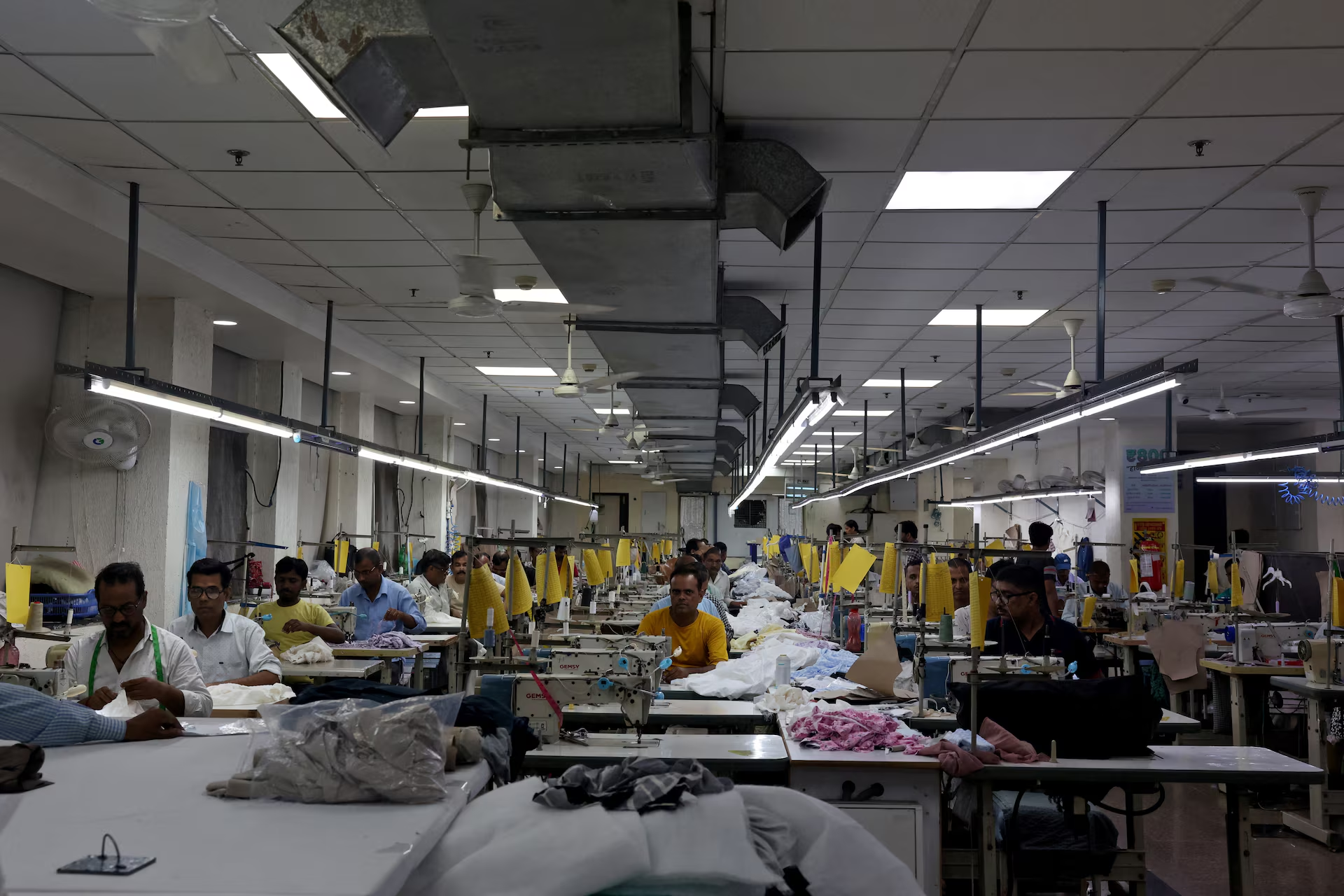
On the sell side, large integrated refiners with established multi-size packaging capability companies like Adani Wilmar, Ruchi Soya, or major palm oil importers gain competitive advantage through compliance readiness. Their existing infrastructure can absorb the transition costs while smaller competitors struggle with packaging line modifications. Small millers and regional packers face the steepest adjustment costs: packaging machinery recalibration, inventory write-offs of non-compliant materials, and margin compression from abandoning optimized irregular sizes. As one industry leader noted, "the non-standardisation practice has distorted the market leading to proliferation of such packs creating widespread confusion", suggesting larger players supported this regulatory shift.
For traders and intermediaries, the standardization eliminates arbitrage opportunities that relied on consumer confusion but creates new efficiency gains. Import financing becomes more predictable when packaging costs are standardized. Physical commodity traders lose some pricing flexibility but gain from reduced consumer resistance to complex pack-size mathematics. Palm oil prices recently reached 4,575 MYR/T, and with India being the world's largest palm oil buyer, standardized packaging should improve price transparency across this critical supply chain. The three month transition window allows businesses to switch immediately rather than waiting, giving early movers a competitive edge. Observers should watch India's edible oil import volumes through September 2026 any significant shift toward larger, integrated suppliers signals successful market concentration through regulatory compliance costs.


.jpg)
'%3e%3cg id='Final-Copy-2_2_' transform='translate(1275.000000, 200.000000)'%3e%3cpath class='st0' d='M7.4,12.8h6.8l3.1-11.6H7.4C4.2,1.2,1.6,3.8,1.6,7S4.2,12.8,7.4,12.8z'/%3e%3c/g%3e%3c/g%3e%3c/g%3e%3cg id='final---dec.11-2020'%3e%3cg id='_x30_208-our-toggle' transform='translate(-1275.000000, -200.000000)'%3e%3cg id='Final-Copy-2' transform='translate(1275.000000, 200.000000)'%3e%3cpath class='st1' d='M22.6,0H7.4c-3.9,0-7,3.1-7,7s3.1,7,7,7h15.2c3.9,0,7-3.1,7-7S26.4,0,22.6,0z M1.6,7c0-3.2,2.6-5.8,5.8-5.8 h9.9l-3.1,11.6H7.4C4.2,12.8,1.6,10.2,1.6,7z'/%3e%3cpath id='x' class='st2' d='M24.6,4c0.2,0.2,0.2,0.6,0,0.8l0,0L22.5,7l2.2,2.2c0.2,0.2,0.2,0.6,0,0.8c-0.2,0.2-0.6,0.2-0.8,0 l0,0l-2.2-2.2L19.5,10c-0.2,0.2-0.6,0.2-0.8,0c-0.2-0.2-0.2-0.6,0-0.8l0,0L20.8,7l-2.2-2.2c-0.2-0.2-0.2-0.6,0-0.8 c0.2-0.2,0.6-0.2,0.8,0l0,0l2.2,2.2L23.8,4C24,3.8,24.4,3.8,24.6,4z'/%3e%3cpath id='y' class='st3' d='M12.7,4.1c0.2,0.2,0.3,0.6,0.1,0.8l0,0L8.6,9.8C8.5,9.9,8.4,10,8.3,10c-0.2,0.1-0.5,0.1-0.7-0.1l0,0 L5.4,7.7c-0.2-0.2-0.2-0.6,0-0.8c0.2-0.2,0.6-0.2,0.8,0l0,0L8,8.6l3.8-4.5C12,3.9,12.4,3.9,12.7,4.1z'/%3e%3c/g%3e%3c/g%3e%3c/g%3e%3c/g%3e%3c/svg%3e) Privacy Choices
Privacy Choices