.avif)
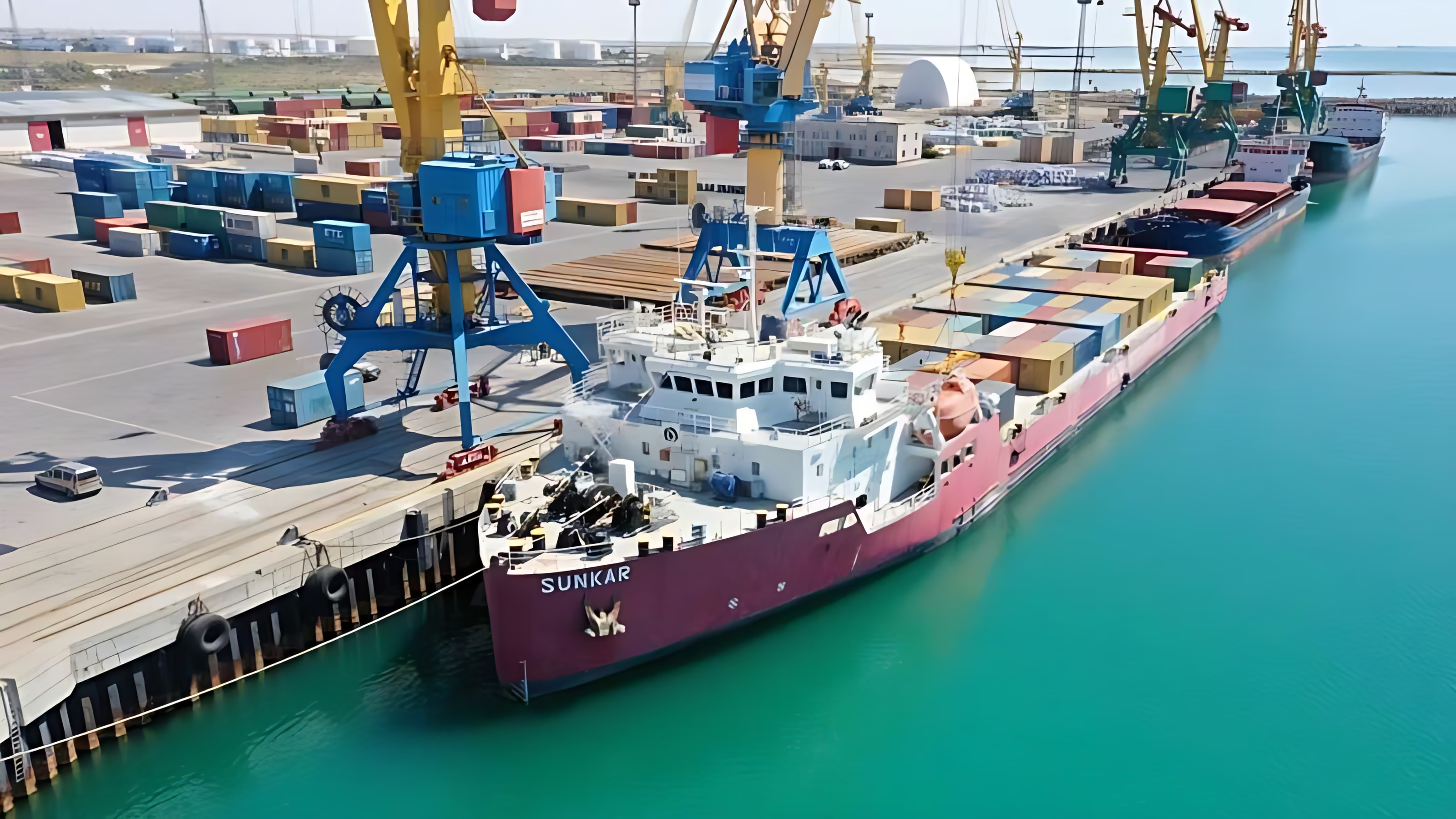
Kazakhstan's vegetable oil exporters face a vessel capacity ceiling that could constrain their ambitious Caspian Sea route to Iran, with industry projections targeting 150,000-200,000 tons annually through Aktau port despite limited dedicated tonnage in the enclosed basin. The route launched with two 5,000 ton trial shipments rapeseed oil loaded on April 4 and sunflower oil completing May 13 taking approximately 2.5 days per vessel turnaround. At current sunflower oil prices of $1,739/MT (March 2026 IMF data) and recent futures trading around $1,630/MT, the EAEU-Iran free trade agreement provides preferential customs treatment that removes significant tariff burden for Kazakhstan exporters versus non-preferential suppliers. The National Association of Oilseed Processors estimates 3-4 monthly shipments could handle the projected volumes, but this assumes uninterrupted vessel availability on a sea with historically limited commercial traffic and seasonal weather restrictions.
A Caspian vessel shortage creates operational bottlenecks that Kazakhstan's export targets ignore. Iran imports approximately 2.7 billion USD in vegetable oils annually (4.6% of total imports) with 1.5 million tonnes specifically in vegetable oils, representing substantial demand that exceeds current Caspian shipping capacity. Consider the arithmetic: 3-4 monthly shipments at 5,000 tons each equals 180,000-240,000 tons annually achievable only with dedicated vessel scheduling that may not exist. The Caspian operates with low-capacity ships linking Aktau with terminals at Baku, and Kazakhstani crude movement by tanker to the BTC only became operational in late 2008, indicating limited infrastructure development. Aktau seaport currently handles 3.6 million tons for crude oil exports, but vegetable oil requires different handling equipment and vessel specifications than crude tankers.
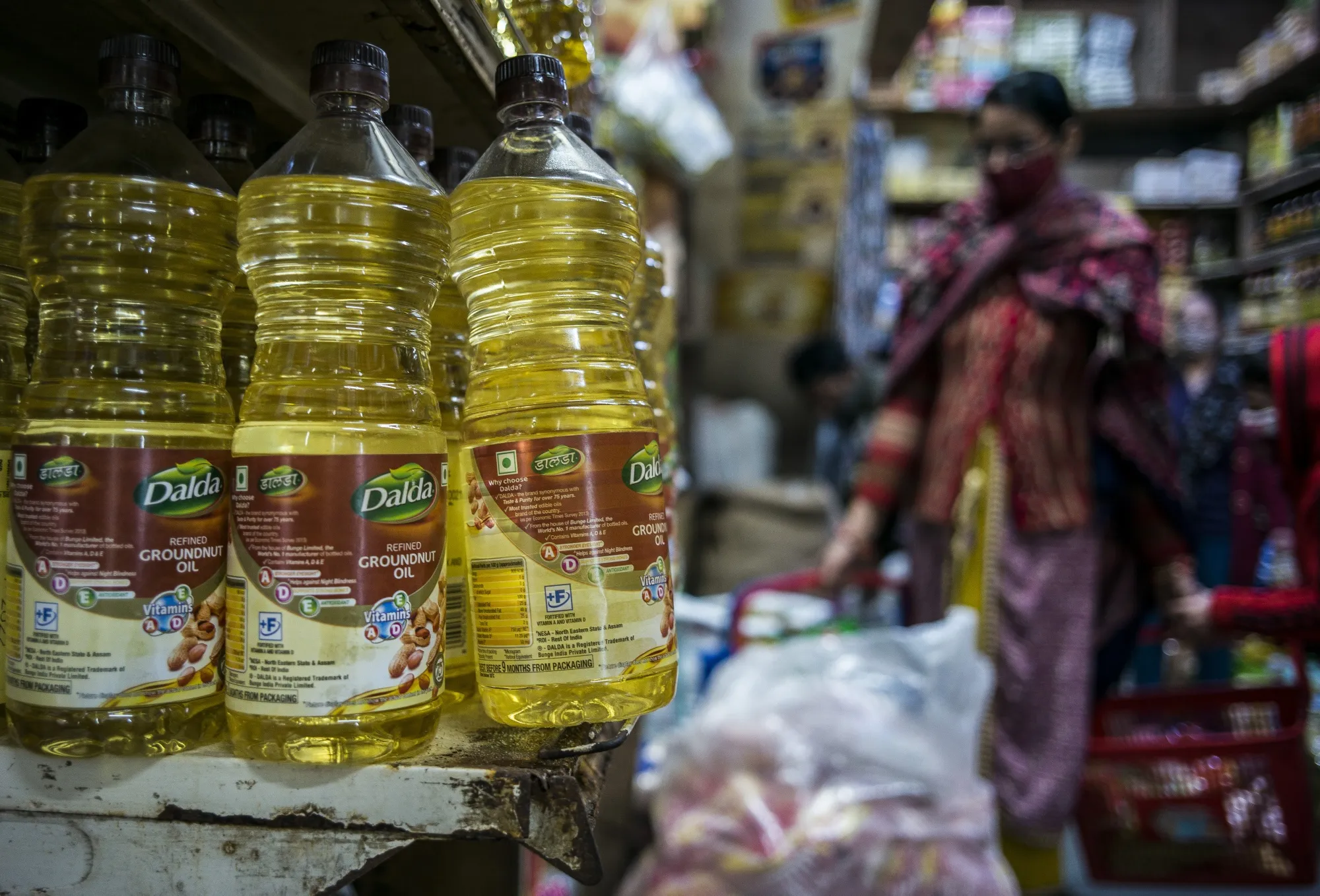
The EAEU-Iran free trade agreement reduces Iran's average import tariff from 30% to 4.5%, saving approximately $380 million annually in duties a substantial cost advantage that makes the Caspian route commercially attractive despite logistical constraints. Kazakhstan has exported over 100,000 tons of oil and fat products to Iran over three years, with 94% consisting of oilseed meal rather than vegetable oil, indicating this represents a new product category rather than route substitution. Iran's Kourosh Food Industry purchased the first rapeseed oil shipment from a Kazakhstan processing plant affiliated with the National Association, establishing a direct buyer-seller relationship that bypasses traditional trading intermediaries. Kazakhstan exported 523,000 tons of sunflower oil worth $532 million between January-October 2025, demonstrating production capacity exists but Caspian routing represents only a fraction of total export potential.
On the buy side: Iranian food processors benefit from 25% lower import costs compared to alternative suppliers, while elevated global freight rates add $28/MT to delivered margins from traditional Black Sea routes. On the sell side: Kazakhstan oilseed processors gain shorter transport distance and preferential customs treatment, while Ukrainian and Russian exporters lose competitive position due to reduced Black Sea shipments and a 19% production decline in Ukraine. For large integrated traders: Russia's exports to Iran jumped from $1.2 billion in 2019 to $3.1 billion in 2021, mainly agricultural products including sunflower and soybean oils, indicating established supply relationships that Kazakhstan must compete against. For smaller regional operators: Kazakhstan processors say they are ready to scale up to 500,000 tons annually, with new vegetable oil terminals planned for Kuryk and Aktau ports to boost capacity.
Kazakhstan's Ministry of Agriculture projects that longer-term exports could exceed 500,000 tons annually when including oilseed meal, but this target requires dedicated Caspian shipping that currently doesn't exist at scale. The Trans-Caspian energy transportation market shows how crony capitalism flourishes on monopoly pricing, with Aktau-Baku-Black Sea routes already carrying Kazakhstani Kumkol crude via tanker, railway, and pipeline combinations. Alternative infrastructure proposals include construction of the Eskene-Kuryk/Aktau pipeline and investments in expanding port capacity, but specific cost estimates remain under study. For observers: Monitor the FAO Vegetable Oil Price Index, which rose 5.9% in April 2026 driven by higher sunflower and rapeseed oil prices, and track Aktau port monthly throughput data any sustained increase beyond the current 3.6 million tons indicates infrastructure expansion supporting vegetable oil ambitions.
.jpg)
'%3e%3cg id='Final-Copy-2_2_' transform='translate(1275.000000, 200.000000)'%3e%3cpath class='st0' d='M7.4,12.8h6.8l3.1-11.6H7.4C4.2,1.2,1.6,3.8,1.6,7S4.2,12.8,7.4,12.8z'/%3e%3c/g%3e%3c/g%3e%3c/g%3e%3cg id='final---dec.11-2020'%3e%3cg id='_x30_208-our-toggle' transform='translate(-1275.000000, -200.000000)'%3e%3cg id='Final-Copy-2' transform='translate(1275.000000, 200.000000)'%3e%3cpath class='st1' d='M22.6,0H7.4c-3.9,0-7,3.1-7,7s3.1,7,7,7h15.2c3.9,0,7-3.1,7-7S26.4,0,22.6,0z M1.6,7c0-3.2,2.6-5.8,5.8-5.8 h9.9l-3.1,11.6H7.4C4.2,12.8,1.6,10.2,1.6,7z'/%3e%3cpath id='x' class='st2' d='M24.6,4c0.2,0.2,0.2,0.6,0,0.8l0,0L22.5,7l2.2,2.2c0.2,0.2,0.2,0.6,0,0.8c-0.2,0.2-0.6,0.2-0.8,0 l0,0l-2.2-2.2L19.5,10c-0.2,0.2-0.6,0.2-0.8,0c-0.2-0.2-0.2-0.6,0-0.8l0,0L20.8,7l-2.2-2.2c-0.2-0.2-0.2-0.6,0-0.8 c0.2-0.2,0.6-0.2,0.8,0l0,0l2.2,2.2L23.8,4C24,3.8,24.4,3.8,24.6,4z'/%3e%3cpath id='y' class='st3' d='M12.7,4.1c0.2,0.2,0.3,0.6,0.1,0.8l0,0L8.6,9.8C8.5,9.9,8.4,10,8.3,10c-0.2,0.1-0.5,0.1-0.7-0.1l0,0 L5.4,7.7c-0.2-0.2-0.2-0.6,0-0.8c0.2-0.2,0.6-0.2,0.8,0l0,0L8,8.6l3.8-4.5C12,3.9,12.4,3.9,12.7,4.1z'/%3e%3c/g%3e%3c/g%3e%3c/g%3e%3c/g%3e%3c/svg%3e) Privacy Choices
Privacy Choices