.avif)
Nigerian crude buyers with refineries configured for sweet grades face a 60-90 day window to lock in Bonny Light Crude Oil (BLCO) allocations before differentials — the price spread between Nigerian grades and Dated Brent benchmark — compress by an estimated $3-5/barrel. Nigeria's production rebound to 1.84 million barrels per day, announced as Middle East tensions push Brent above $109, creates a supply inflection that will strip scarcity premiums from West African grades by Q2 2026. For European refiners currently paying $8-12/barrel premiums for Qua Iboe over Dated Brent, the arithmetic is stark: an additional 200,000 bpd of Nigerian sweet crude entering the market eliminates the supply tightness that justified those premiums. The margin opportunity exists now, in forward allocations, not in spot purchases once the differential compression materializes.
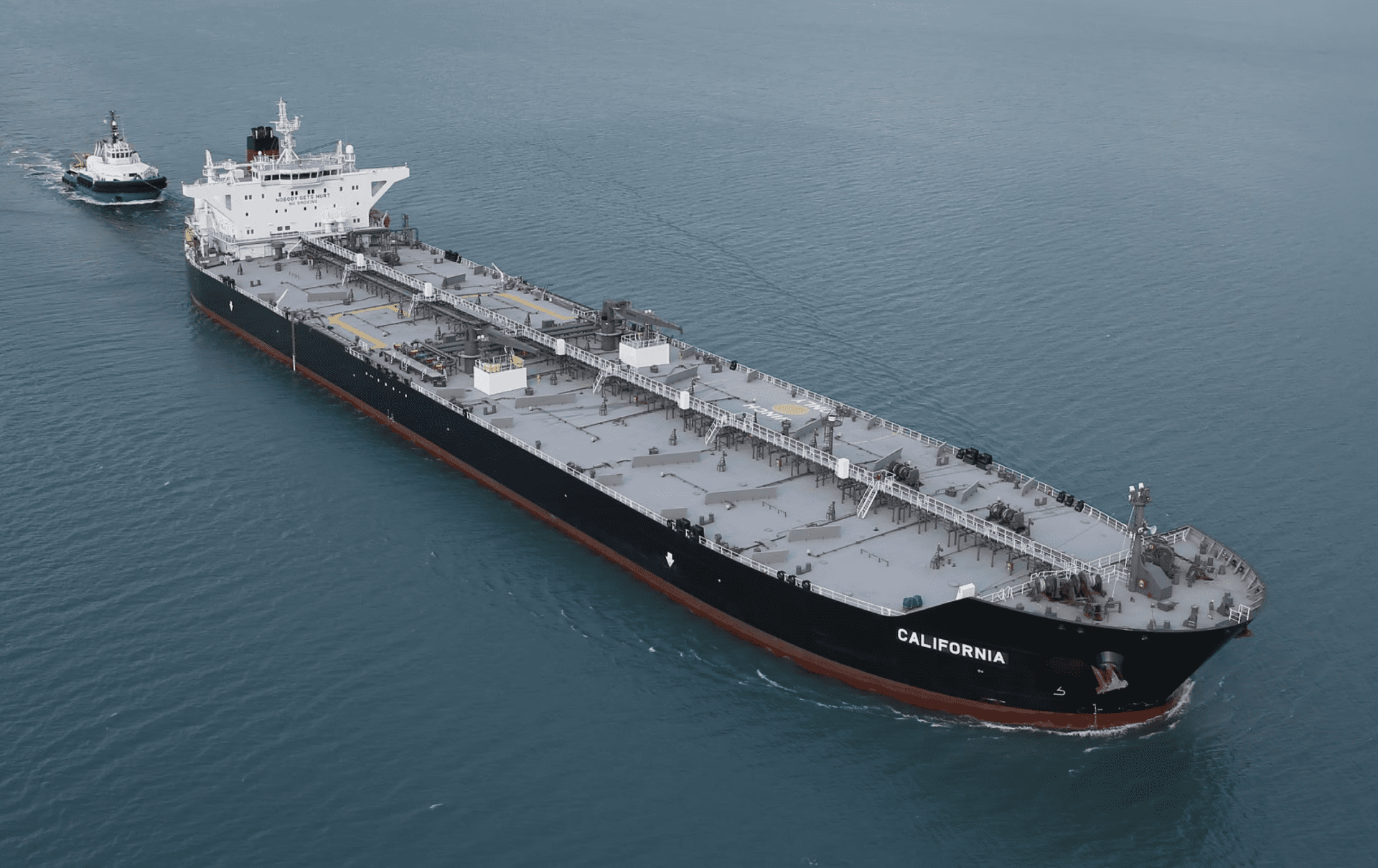
The margin anatomy reveals who benefits from this production recovery and who loses. On the sell side, Nigerian crude traders who captured elevated differentials through Q1 2026 — premiums averaging $10-14/barrel for BLCO over Dated Brent — face margin compression as supply normalizes. A typical 1 million barrel VLCC (Very Large Crude Carrier) cargo of BLCO that yielded $10-14 million in differential margin above Brent will see that premium halve within 60 days if Nigerian output sustains current levels. On the buy side, Atlantic Basin refineries gain procurement optionality they lacked during the supply crunch. A 250,000 bpd European refinery that processes 50% sweet crude can substitute Nigerian grades for more expensive Middle East alternatives, potentially saving $2-3 million monthly in feedstock costs if differentials compress as projected.
Nigeria's production history demands skepticism about sustainability claims. The country has announced production recoveries exceeding 1.8 million bpd six times since 2023, yet output consistently collapsed within 45-90 days due to pipeline vandalism, crude theft averaging 200,000 bpd, and aging infrastructure requiring constant maintenance shutdowns. The 'drill or drop' policy rhetoric from NUPRC ignores that most Nigerian fields suffer natural decline rates of 8-15% annually, requiring $15-25/barrel in maintenance capex to sustain production. However, the current recovery differs in timing: occurring during peak geopolitical tensions when buyers desperately need alternatives to Middle East supply. This creates powerful incentives for Nigerian operators to maximize offtake while premiums remain elevated, potentially sustaining higher output for 2-3 months longer than previous recovery attempts.
For large integrated operators with derivatives access, the strategy involves layering physical allocations with financial hedges on Brent-Nigerian crude differential swaps — derivative contracts that pay out based on the spread between Nigerian grades and the Dated Brent benchmark. A major European refiner can secure 60-day BLCO allocations at current premiums while simultaneously selling differential swaps expiring in 90 days, profiting if spreads compress as anticipated while maintaining physical supply security. Mid-tier operators without derivatives access face a binary choice: lock in current allocations accepting today's $10-12/barrel premiums, or gamble on spot availability in 60 days when premiums may halve but physical availability could tighten if Nigerian output falters again. The infrastructure ceiling caps this opportunity: Nigeria's offshore loading terminals can handle maximum 2.1 million bpd, meaning sustainable output above 1.9 million bpd requires zero downtime across aging floating production storage and offloading units (FPSOs).
The timing mismatch between recognizing this opportunity and executing on it favors established players with existing Nigerian relationships. New entrants to the Nigerian crude market require 45-60 days to establish letters of credit (LC) — bank guarantees ensuring payment upon document presentation — with Nigerian National Petroleum Corporation (NNPC) or joint venture partners. By the time new buyers complete due diligence and establish trading relationships, the differential compression will already be underway. Conversely, traders with existing NNPC allocations can increase volumes within 15-20 days, capturing the full margin as premiums compress. This explains why established Nigerian crude specialists like Mercuria and Trafigura moved aggressively to secure additional April-May allocations immediately following the production announcement, even at elevated premiums.
The infrastructure reality constrains how much additional Nigerian supply can actually reach global markets. Nigeria's crude export terminals — primarily Bonny, Qua Iboe, and Forcados — operate near capacity when national output exceeds 1.8 million bpd, creating loading delays that can extend cargo layetime to 7-10 days versus the standard 2-3 days. These delays add $300,000-500,000 in VLCC charter costs per cargo, effectively capping the volume that can economically clear at current freight rates. Additionally, Nigeria's offshore pipeline network requires monthly maintenance shutdowns affecting 100,000-150,000 bpd of capacity, meaning sustained 1.84 million bpd output depends on perfect operational execution across aging infrastructure. The practical ceiling sits closer to 1.7-1.75 million bpd on a sustainable basis, limiting the differential compression to $2-3/barrel rather than the $4-5/barrel implied by full capacity utilization.
Forward market signals suggest this opportunity window closes rapidly. The Dated Brent versus Nigerian crude forward curve — which prices future delivery months — already shows May 2026 BLCO differentials trading $2/barrel below April levels, indicating sophisticated traders expect supply normalization. If Nigerian output sustains above 1.8 million bpd through May, expect BLCO premiums to compress toward $5-7/barrel over Dated Brent by June, eliminating the current arbitrage opportunity. However, if production falters — as occurred in seven of the last nine Nigerian recovery announcements — differentials could spike back to $12-15/barrel within weeks. The asymmetric risk profile favors securing physical allocations now while maintaining optionality through short-dated differential swaps expiring in 60-90 days, capturing upside if supply disappoints while limiting downside if the recovery proves sustainable.



.jpg)

'%3e%3cg id='Final-Copy-2_2_' transform='translate(1275.000000, 200.000000)'%3e%3cpath class='st0' d='M7.4,12.8h6.8l3.1-11.6H7.4C4.2,1.2,1.6,3.8,1.6,7S4.2,12.8,7.4,12.8z'/%3e%3c/g%3e%3c/g%3e%3c/g%3e%3cg id='final---dec.11-2020'%3e%3cg id='_x30_208-our-toggle' transform='translate(-1275.000000, -200.000000)'%3e%3cg id='Final-Copy-2' transform='translate(1275.000000, 200.000000)'%3e%3cpath class='st1' d='M22.6,0H7.4c-3.9,0-7,3.1-7,7s3.1,7,7,7h15.2c3.9,0,7-3.1,7-7S26.4,0,22.6,0z M1.6,7c0-3.2,2.6-5.8,5.8-5.8 h9.9l-3.1,11.6H7.4C4.2,12.8,1.6,10.2,1.6,7z'/%3e%3cpath id='x' class='st2' d='M24.6,4c0.2,0.2,0.2,0.6,0,0.8l0,0L22.5,7l2.2,2.2c0.2,0.2,0.2,0.6,0,0.8c-0.2,0.2-0.6,0.2-0.8,0 l0,0l-2.2-2.2L19.5,10c-0.2,0.2-0.6,0.2-0.8,0c-0.2-0.2-0.2-0.6,0-0.8l0,0L20.8,7l-2.2-2.2c-0.2-0.2-0.2-0.6,0-0.8 c0.2-0.2,0.6-0.2,0.8,0l0,0l2.2,2.2L23.8,4C24,3.8,24.4,3.8,24.6,4z'/%3e%3cpath id='y' class='st3' d='M12.7,4.1c0.2,0.2,0.3,0.6,0.1,0.8l0,0L8.6,9.8C8.5,9.9,8.4,10,8.3,10c-0.2,0.1-0.5,0.1-0.7-0.1l0,0 L5.4,7.7c-0.2-0.2-0.2-0.6,0-0.8c0.2-0.2,0.6-0.2,0.8,0l0,0L8,8.6l3.8-4.5C12,3.9,12.4,3.9,12.7,4.1z'/%3e%3c/g%3e%3c/g%3e%3c/g%3e%3c/g%3e%3c/svg%3e) Privacy Choices
Privacy Choices