.avif)
Power generators worldwide saw fossil fuel generation decline 1% year-on-year in March 2026, with gas-fired output falling 4% and solar generation surging 14% — a dramatic reversal of expectations that higher gas prices would drive coal consumption higher. The record buildout of solar and wind in 2025 helped reduce the need for power generation from fossil fuels and mitigate the impact of the Hormuz closure. For gas peaking plants — typically 200-500 MW units that earn margins by ramping up when power prices spike — the Hormuz crisis created operational losses rather than windfall profits.
The analysis covers 87% of global coal power generation and over 60% of gas-fired power generation, capturing the world's largest power markets: China, the U.S., the EU, and India. Gas turbines (simple cycle units designed for peak demand response) faced a margin squeeze as fuel costs rose but dispatch frequency fell. TTF gas prices fell from $16.9/MBtu on April 2 to $15.0/MBtu by April 10, but the 4% decline in gas-fired generation suggests structural limits rather than price-driven fuel switching. The Centre for Research on Energy and Clean Air (CREA) — the organisation tracking near-real-time electricity data — confirmed that the data contradicts widespread expectations that coal power generation would rise in response to the crisis.
Coal plants cannot meaningfully increase output because they were already operating at or near maximum feasible rates before the Hormuz disruption. Outside China, coal-fired power generation fell 3.5% in March, declining in the U.S., India, EU, Turkey, and South Africa. This exposes a fundamental misunderstanding in energy markets: coal was not competing with gas for baseload generation that could be recaptured. Instead, gas was filling residual demand gaps that coal capacity constraints could not address. In China, power generation from coal increased 2% as coastal generators shifted from gas to coal in response to high prices, but coal-fired generation was still significantly below 2024 levels.
Consider a typical 800 MW combined-cycle gas turbine (CCGT) plant — the workhorse of flexible power generation. Before the Hormuz crisis, such a plant might earn $25-30/MWh margin during peak hours when dispatched ahead of coal. With TTF gas prices spiking to $17.8/MWh on April 7 amid heightened tensions, fuel costs increased roughly $8-10/MWh. Yet gas-fired generation fell 4% while solar generation increased 14%, meaning fewer operating hours spread fixed costs across reduced output. The CCGT plant's margin compressed from both directions: higher fuel costs and lower capacity factors. The $8-10/MWh fuel cost increase became uneconomical when renewable output displaced traditional peaking demand.
On the buy side: Industrial consumers and electricity retailers saw mixed outcomes depending on their hedging strategies and regional renewable penetration. In markets with high solar penetration like California and Texas, daytime power prices actually fell as solar output surged, offsetting higher gas costs. Large industrial buyers with flexible demand — aluminium smelters, data centers with load-shifting capability — benefited from lower daytime pricing. Unhedged electricity retailers faced margin compression during evening peak hours when gas plants remained necessary but expensive.
On the sell side: Solar generation increased 14% and wind increased 8% as renewable generators captured higher spot power prices with record output. Solar farm operators — typically locked into 20-year power purchase agreements (PPAs) at fixed prices — saw no direct benefit from higher spot prices, but merchant renewable plants earned exceptional margins. Combined wind and utility-scale solar reached 760,000 GWh in 2025, with 86 GW of new capacity planned for 2026. Battery energy storage systems (BESS) — typically 100-300 MW installations co-located with solar farms — earned premium arbitrage margins by storing cheap midday solar and discharging during expensive evening peaks.
For large integrated utilities with diversified generation portfolios — companies like NextEra Energy, Enel, or Iberdrola — the Hormuz crisis accelerated existing renewable deployment strategies. These operators hedge gas price exposure through long-term renewable PPAs and use their scale to access derivatives markets. Their combined gas-renewable portfolio absorbed the volatility while maintaining stable earnings. For smaller independent power producers (IPPs) with concentrated gas generation — regional companies operating 200-500 MW portfolios without derivatives access — the crisis compressed margins through higher fuel costs and reduced dispatch. These operators responded by accelerating solar development timelines or negotiating fuel-adjustment clauses in existing PPAs.
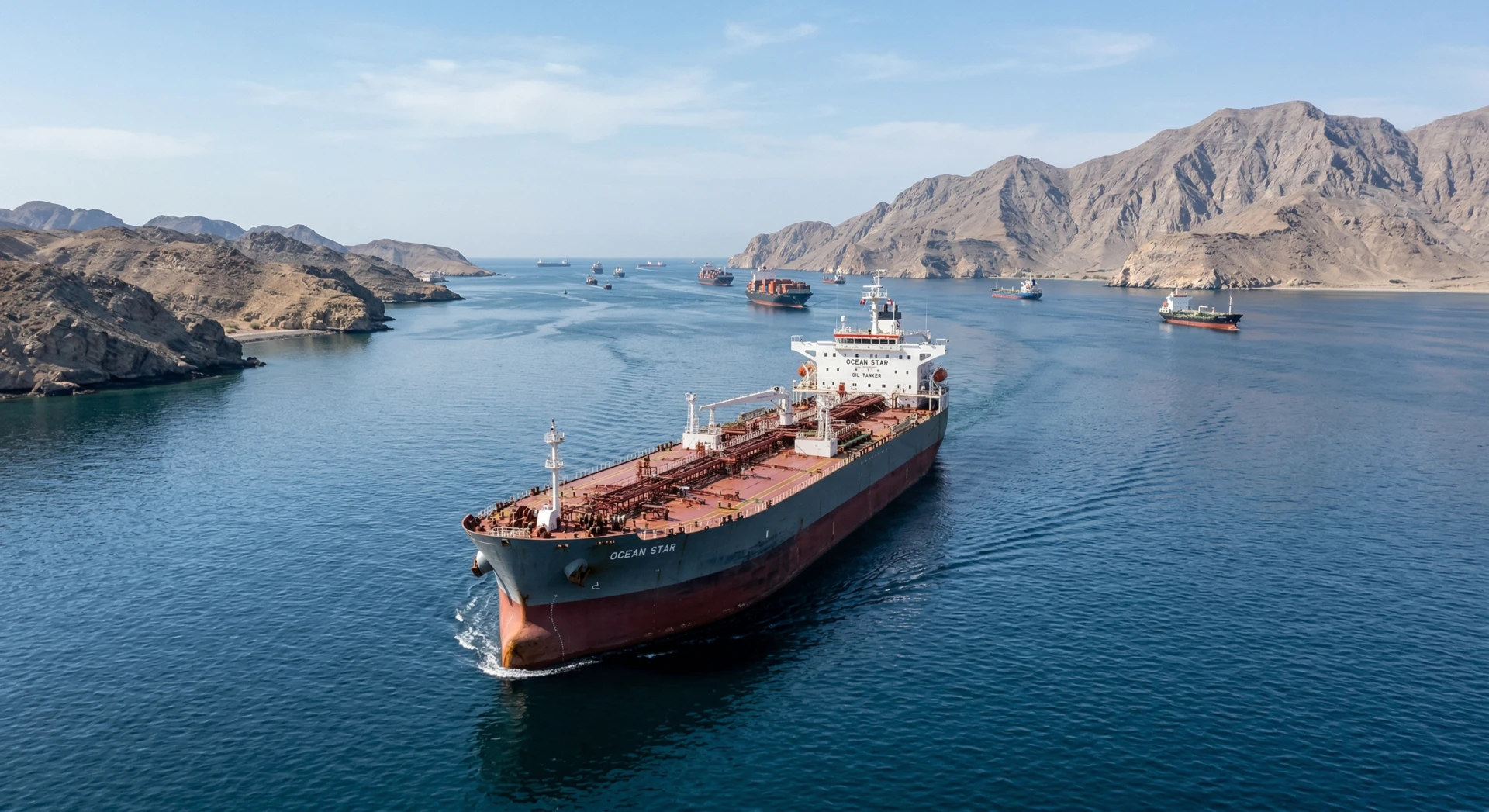
The solar and wind power capacity added in 2025 alone generates twice as much electricity as all the LNG that was transported through the Strait of Hormuz before the closure — around 1,100 TWh per year from new renewables versus 590 TWh equivalent from disrupted LNG flows. This structural shift explains why seaborne coal transport volumes fell 3% to the lowest levels since 2021 rather than surging. The global power system has fundamentally changed: renewable capacity additions now provide the incremental supply response that coal plants provided in previous crises. The analysis indicates that the latest fossil fuel crisis is accelerating, rather than reversing, the global shift toward clean energy.
For observers tracking power generation dynamics, monitor the monthly CREA Electricity Generation Tracker by April 20 for updated March data including China's detailed provincial breakdowns. TTF gas prices at €41.25/MWh ($15.0/MBtu) by April 10 remain elevated but below panic levels, suggesting the renewable buffer effect will persist through the spring shoulder season when heating demand naturally declines and solar output peaks.

.jpg)
.jpg)

'%3e%3cg id='Final-Copy-2_2_' transform='translate(1275.000000, 200.000000)'%3e%3cpath class='st0' d='M7.4,12.8h6.8l3.1-11.6H7.4C4.2,1.2,1.6,3.8,1.6,7S4.2,12.8,7.4,12.8z'/%3e%3c/g%3e%3c/g%3e%3c/g%3e%3cg id='final---dec.11-2020'%3e%3cg id='_x30_208-our-toggle' transform='translate(-1275.000000, -200.000000)'%3e%3cg id='Final-Copy-2' transform='translate(1275.000000, 200.000000)'%3e%3cpath class='st1' d='M22.6,0H7.4c-3.9,0-7,3.1-7,7s3.1,7,7,7h15.2c3.9,0,7-3.1,7-7S26.4,0,22.6,0z M1.6,7c0-3.2,2.6-5.8,5.8-5.8 h9.9l-3.1,11.6H7.4C4.2,12.8,1.6,10.2,1.6,7z'/%3e%3cpath id='x' class='st2' d='M24.6,4c0.2,0.2,0.2,0.6,0,0.8l0,0L22.5,7l2.2,2.2c0.2,0.2,0.2,0.6,0,0.8c-0.2,0.2-0.6,0.2-0.8,0 l0,0l-2.2-2.2L19.5,10c-0.2,0.2-0.6,0.2-0.8,0c-0.2-0.2-0.2-0.6,0-0.8l0,0L20.8,7l-2.2-2.2c-0.2-0.2-0.2-0.6,0-0.8 c0.2-0.2,0.6-0.2,0.8,0l0,0l2.2,2.2L23.8,4C24,3.8,24.4,3.8,24.6,4z'/%3e%3cpath id='y' class='st3' d='M12.7,4.1c0.2,0.2,0.3,0.6,0.1,0.8l0,0L8.6,9.8C8.5,9.9,8.4,10,8.3,10c-0.2,0.1-0.5,0.1-0.7-0.1l0,0 L5.4,7.7c-0.2-0.2-0.2-0.6,0-0.8c0.2-0.2,0.6-0.2,0.8,0l0,0L8,8.6l3.8-4.5C12,3.9,12.4,3.9,12.7,4.1z'/%3e%3c/g%3e%3c/g%3e%3c/g%3e%3c/g%3e%3c/svg%3e) Privacy Choices
Privacy Choices