.avif)

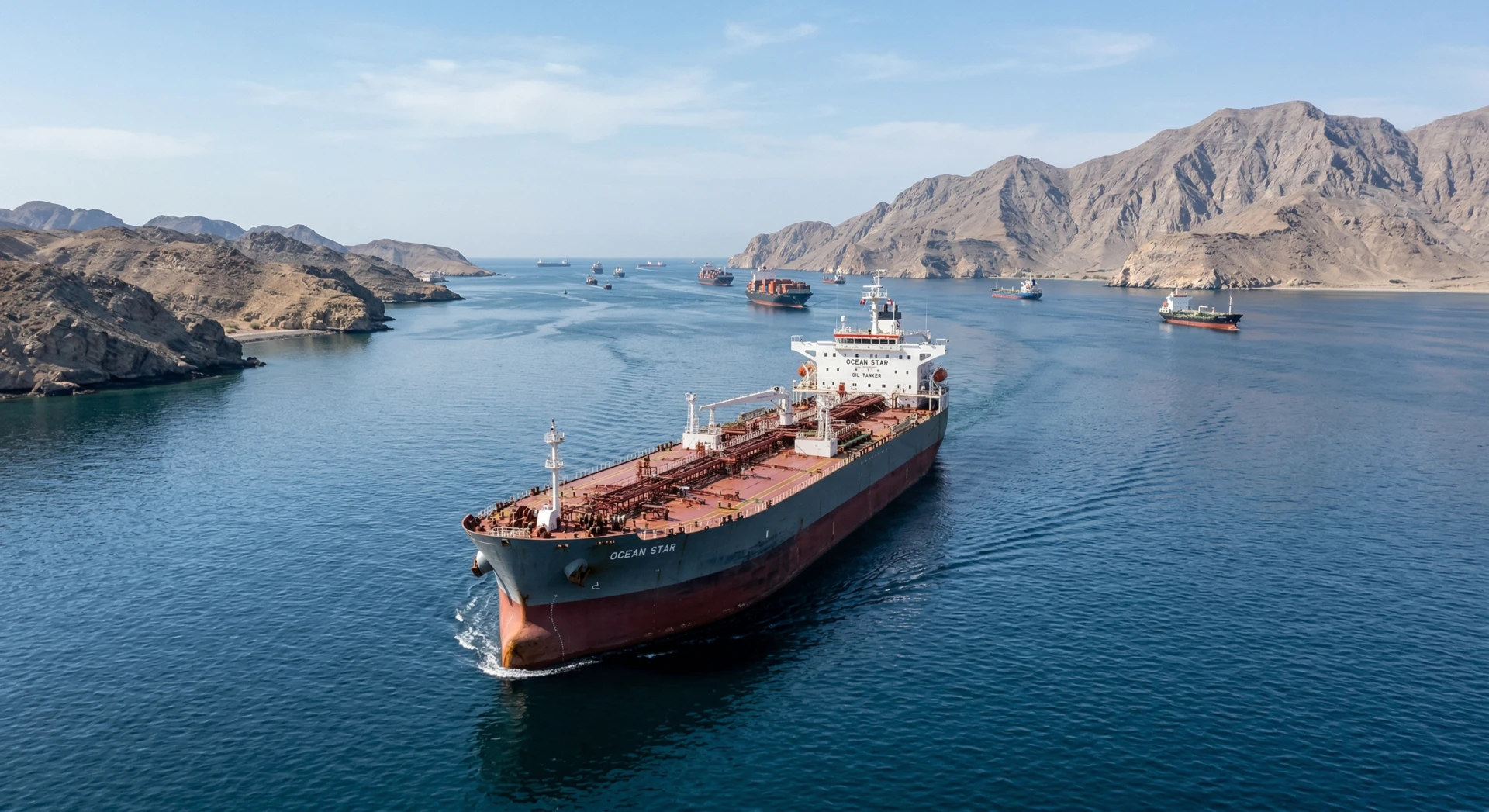
European refiners face immediate margin compression of $8-12 per barrel as President Trump's 48-hour ultimatum to Iran escalates Strait of Hormuz disruption risks by April 6, 2026. The Strait carries roughly 21% of global petroleum liquids — approximately 21 million barrels per day — with European refiners importing 2-3 million barrels daily of Gulf crude through this chokepoint. According to reports, Trump warned "hell will be unleashed" if Iran fails to reopen shipping lanes, while sources indicate Israel may target Iranian energy facilities within a week if permitted. For a typical 200,000 barrel-per-day European refiner processing Arab Light crude, each day of disruption adds $1.6-2.4 million in incremental costs through alternative supply chains, freight premiums, and processing yield penalties.
The Strait of Hormuz — a 33-kilometre-wide waterway between Iran and Oman — represents the world's most critical petroleum chokepoint, with no viable alternative route for Gulf producers to reach global markets. Approximately 35% of all seaborne-traded petroleum passes through these waters, including crude oil from Saudi Arabia, UAE, Kuwait, and Iraq that feeds European refineries optimized for Middle East grades. When Iran previously threatened closure during the 1980s tanker war, Brent crude premiums over Dubai crude — the spread that determines whether Atlantic Basin oil can economically substitute for Gulf barrels — widened from typical levels of $2-3 per barrel to over $8 per barrel within weeks. Current Brent-Dubai spreads at $1.50 per barrel offer no cushion for European buyers seeking alternatives.
On the buy side, European refiners cannot simply switch crude sources without significant economic penalties and operational constraints. A refiner configured for Arab Light crude (34° API gravity, 1.8% sulfur content) faces yield penalties of 2-4% when processing alternative Atlantic Basin crudes like Nigerian Bonny Light or North Sea Forties, translating to $3-6 per barrel in lost product value at current crack spreads. The sulfur content differential alone requires different desulfurization catalyst loadings and hydrogen consumption rates. Additionally, letter of credit (LC) arrangements — bank guarantees ensuring payment upon document presentation — with Gulf National Oil Companies typically offer 90-day payment terms that smaller European independents cannot replicate with alternative suppliers demanding 30-day or cash terms.
On the sell side, Gulf producers face an impossible arithmetic if the Strait closes. Saudi Aramco's East-West pipeline can transport only 5 million barrels per day to Red Sea ports — roughly one-quarter of the Kingdom's total export capacity of 7-8 million barrels per day. The UAE's Abu Dhabi Crude Oil Pipeline (ADCOP) adds another 1.5 million barrels per day capacity, but combined alternative routes handle less than 40% of total Gulf crude exports. The remaining 12-14 million barrels per day of Gulf crude would be stranded without Hormuz transit, creating an immediate global supply deficit equivalent to removing Russia's entire pre-2022 export volume from international markets.
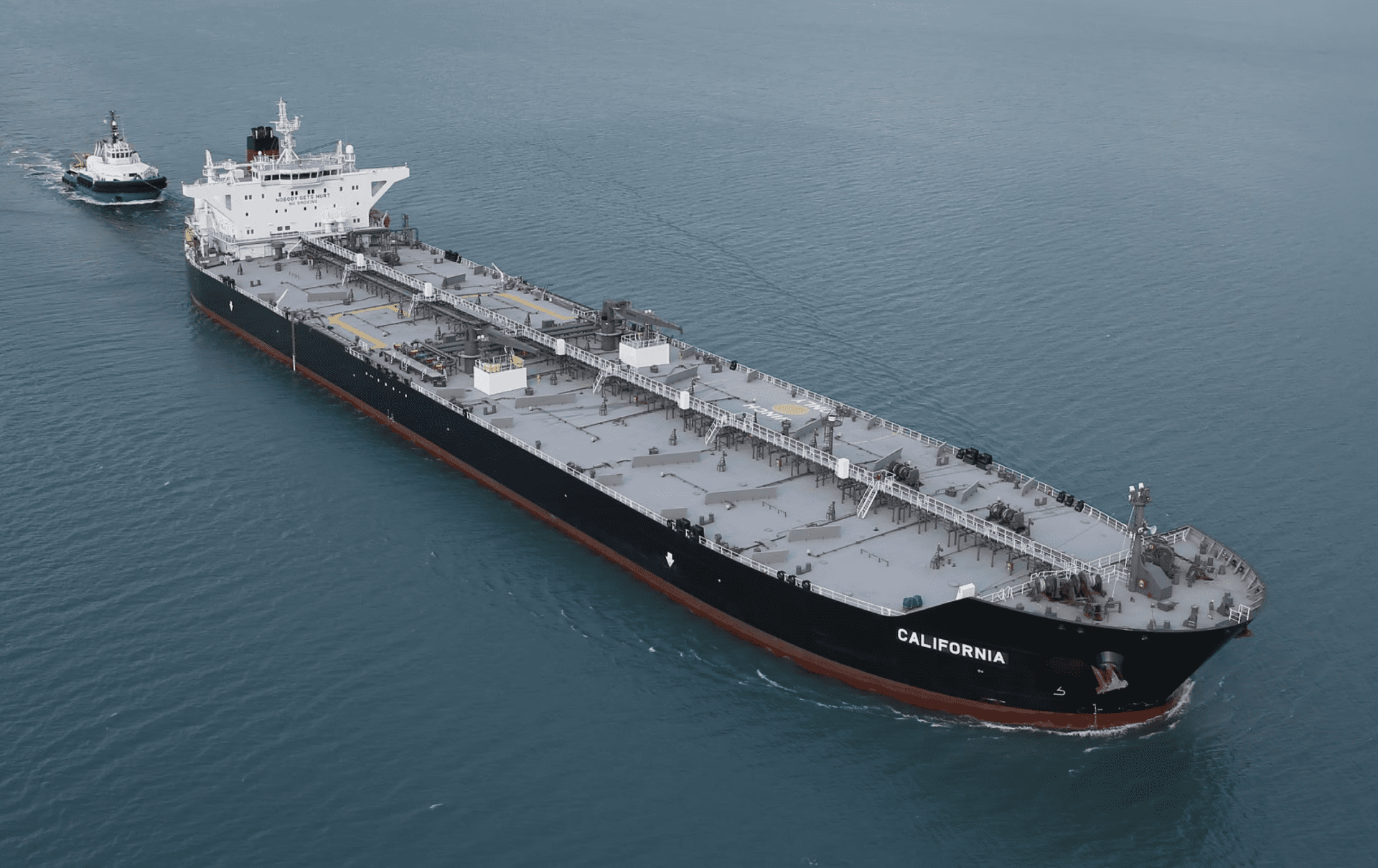
Freight costs have already begun reflecting Hormuz risk, with Very Large Crude Carrier (VLCC) rates from the Gulf to Northwest Europe rising from $12 per metric ton three weeks ago to $28 per metric ton currently — a 133% increase that adds $2.80 per barrel to delivered crude costs. A VLCC carrying 2 million barrels now earns approximately $56 million per voyage versus $24 million previously, with the additional $32 million accruing entirely to vessel operators, not cargo owners. For comparison, during the 2019 Hormuz tanker attacks, VLCC rates peaked at $47 per metric ton before normalizing within eight weeks. However, those incidents involved isolated vessel strikes, not systematic closure threats with explicit military ultimatums.
For large integrated traders like Vitol, Trafigura, or national oil company trading arms with derivatives access, the current crisis offers hedging mechanisms unavailable to smaller operators. These players can purchase Brent crude futures while selling Dubai crude futures, capturing the widening spread differential as European demand shifts toward Atlantic Basin barrels. With ICE Brent-Dubai spread options trading actively, a $10 million position protecting against spread widening to $8 per barrel costs approximately $400,000 in premium — expensive but manageable insurance for a trader handling 50-100 cargoes monthly. Additionally, these operators maintain strategic petroleum product inventories that appreciate during supply disruptions.
For smaller regional operators — independent refiners, fuel distributors, and petroleum cooperatives — without derivatives access, protection requires bilateral contract modifications and supply diversification. A mid-sized European refiner might negotiate force majeure clauses in off-take agreements, allowing temporary suspension of minimum purchase obligations if freight costs exceed specified thresholds. Alternatively, these operators can arrange floating price mechanisms tied to dated Brent rather than Dubai crude, automatically capturing any Hormuz-driven premium without requiring active hedging. However, such arrangements typically require 60-90 days notice, limiting immediate protection.
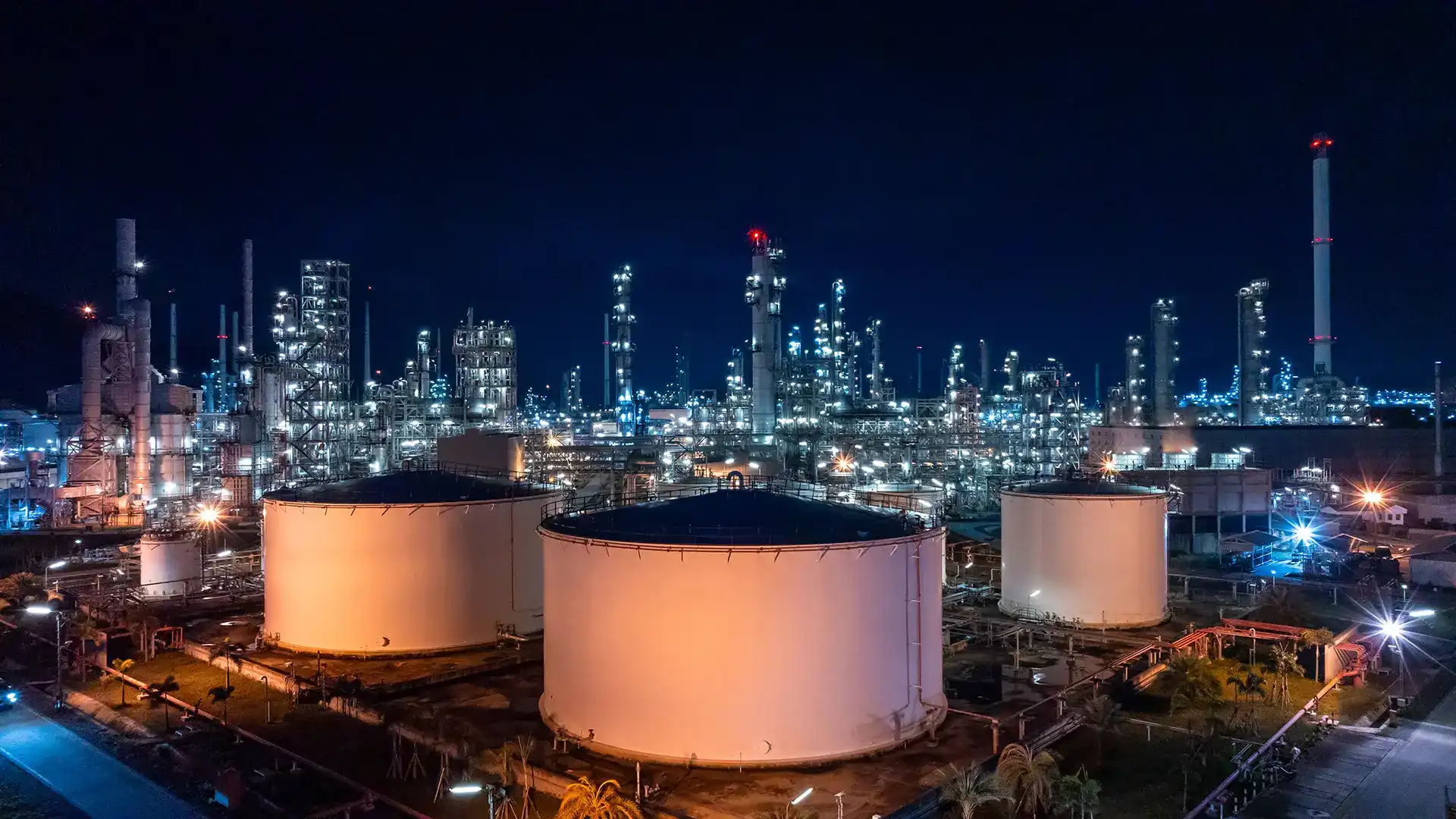
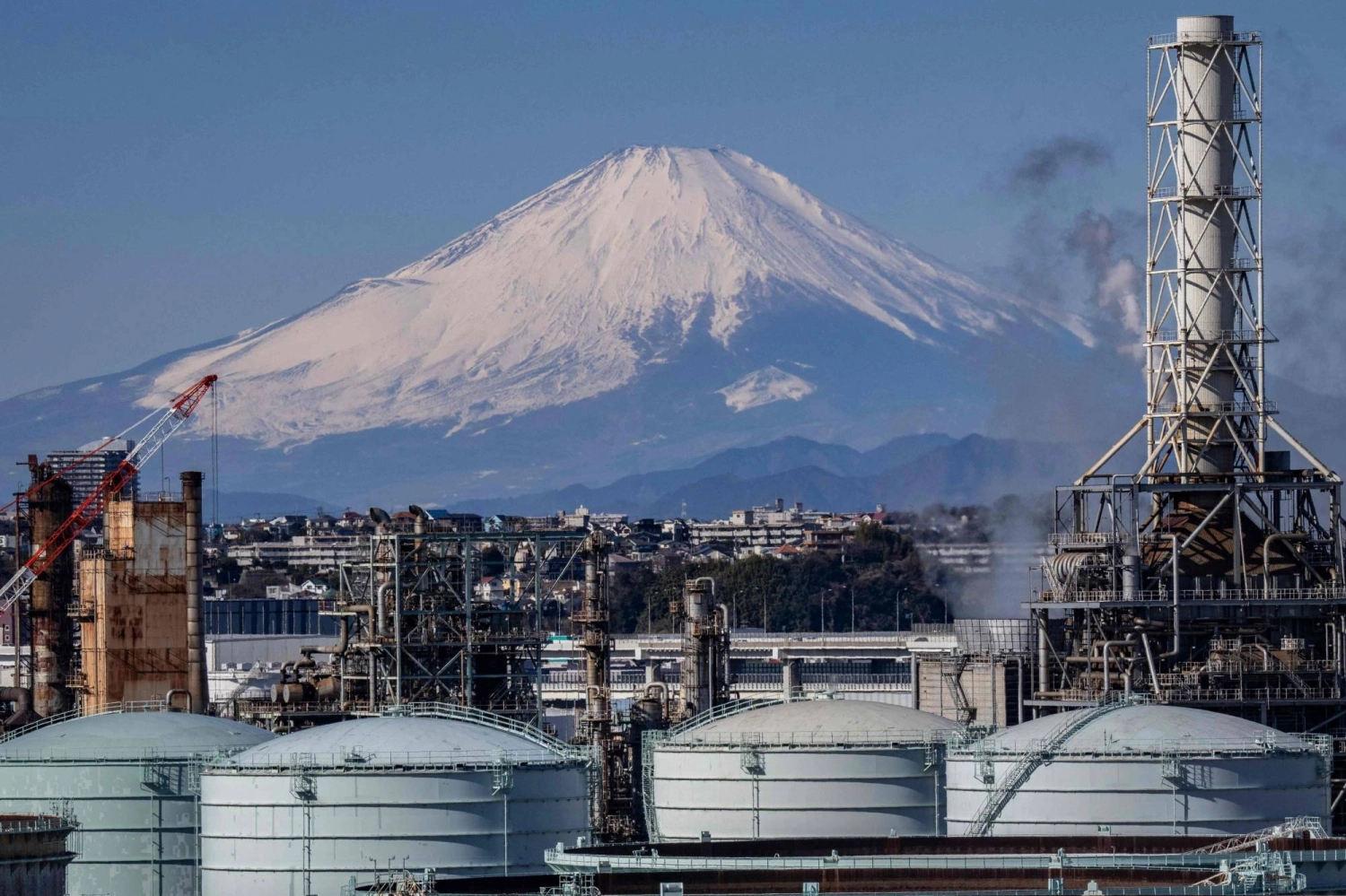
The margin anatomy of European refining operations reveals why Hormuz disruption threatens the entire value chain. A typical complex refinery's gross margin — the crack spread between crude input costs and refined product output values — currently averages $12-15 per barrel in Northwest Europe. Crude oil represents 85-90% of total refining costs, making input price volatility the dominant margin driver. The remaining 10-15% includes natural gas for hydrogen production (currently elevated), electricity for processing units, and catalyst replacement costs. When crude costs rise by $8-12 per barrel due to freight and alternative supply premiums, refiners must either absorb the margin compression or pass costs through to gasoline and diesel distributors.
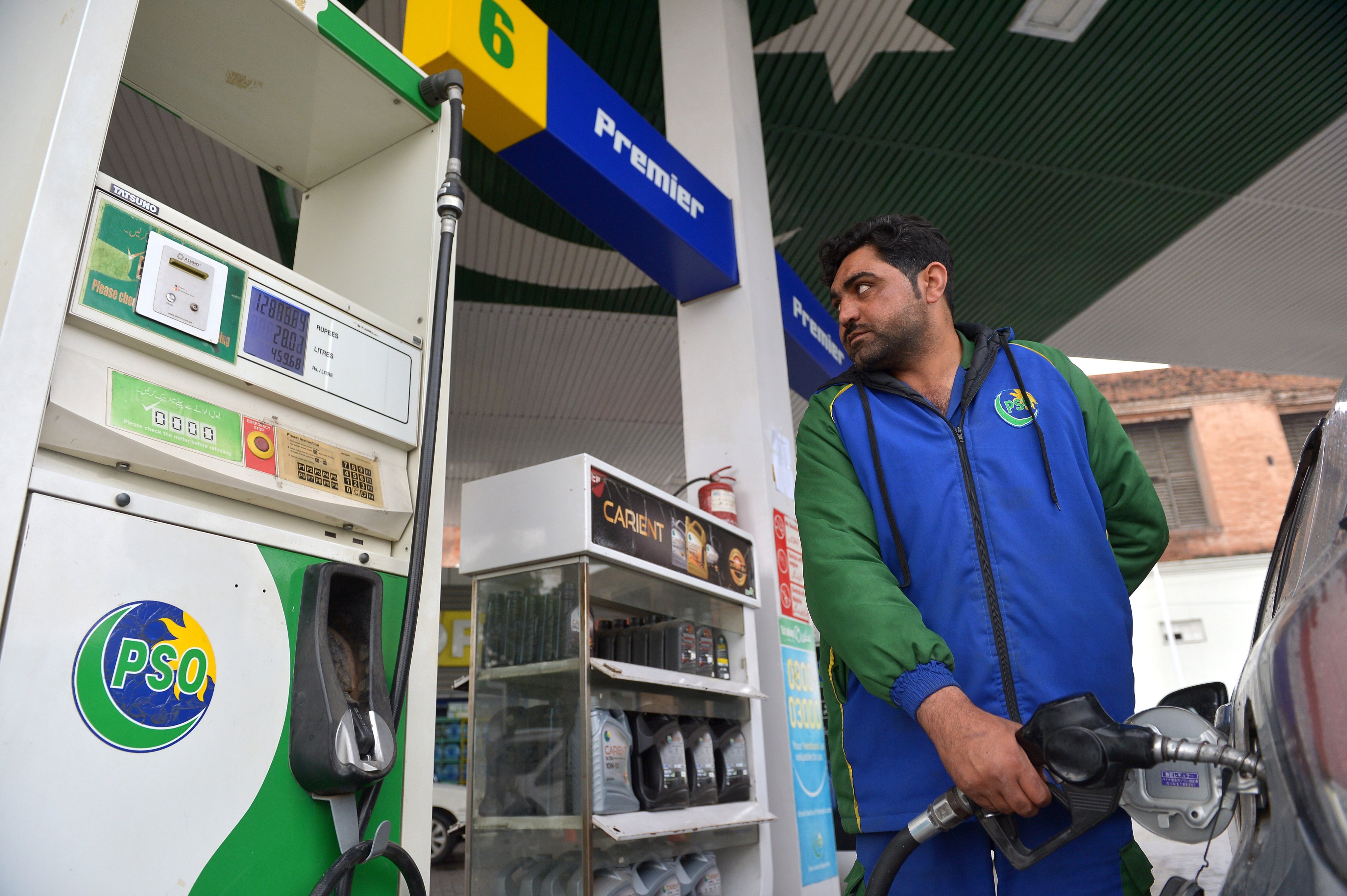
Downstream, the margin compression cascades through the petroleum products supply chain. Independent fuel distributors typically operate on $0.05-0.08 per liter margins for gasoline and diesel sales to retail stations. A $10 per barrel crude cost increase translates to roughly $0.06 per liter at the pump, potentially eliminating distributor margins entirely if retail price increases lag wholesale cost adjustments. This dynamic explains why German industrial stocks like BASF fell nearly 4% while defensive utilities gained — energy-intensive manufacturing faces direct input cost pressure, while regulated utilities can typically pass increased fuel costs through to consumers via automatic adjustment mechanisms.
The financing dimension of Hormuz disruption extends beyond simple price increases to working capital and credit availability. European refiners typically maintain 30-40 days of crude inventory, requiring $400-600 million in working capital for a 200,000 barrel-per-day facility at current prices. When crude costs increase by $10 per barrel, the same inventory level demands an additional $60-80 million in working capital. Banks often reduce credit facility headroom during geopolitical crises, forcing refiners to choose between maintaining operational inventory levels and preserving financial flexibility. Letters of credit for crude purchases from alternative suppliers may require cash collateral rather than corporate guarantees, further straining liquidity.
The German DAX's intraday reversal — falling 3% on escalation fears before recovering on reports of potential Iran-Oman shipping protocols — illustrates how quickly physical commodity fundamentals translate into equity valuations. BASF's 4% decline reflects the chemical giant's heavy reliance on Middle East feedstocks and energy-intensive production processes, while E.ON's outperformance demonstrates defensive utility characteristics during energy cost inflation. However, such diplomatic reports remain unconfirmed, and previous negotiation attempts have faltered on Iran's demands for permanent conflict resolution rather than temporary shipping arrangements.
Traders and intermediaries can potentially benefit from the volatility through strategic positioning in time spreads and geographic arbitrages. Brent crude's front-month contracts typically trade in contango — where near-term prices are lower than forward prices — but Hormuz disruption fears have created backwardation, with prompt barrels trading $3-4 per barrel above six-month forward prices. This structure rewards inventory holders and punishes those requiring immediate supply. Similarly, the Atlantic Basin-Gulf crude price differential creates opportunities for those controlling flexible tonnage or storage capacity in key locations like Rotterdam or Singapore.
Historical precedents suggest that Hormuz crisis premiums can persist for months even after initial resolution. During the 1987-1988 tanker war, crude oil price volatility remained elevated for six months after the ceasefire as market participants rebuilt confidence in shipping lane security. The current situation differs significantly due to explicit ultimatum timelines and direct U.S.-Iran confrontation rather than proxy conflict. Additionally, global petroleum inventory levels are lower now than in the 1980s, providing less buffer against supply disruptions. Strategic Petroleum Reserve releases could provide temporary relief, but European reserves are significantly smaller than U.S. capacity.
For immediate decision-making, European refinery buyers should monitor the VLCC freight rate from Ras Tanura to Rotterdam, which serves as the most direct indicator of Hormuz risk pricing. Current rates at $28 per metric ton represent a 133% premium to normal levels; any movement above $35 per metric ton would indicate market expectations of extended disruption lasting weeks rather than days. Additionally, the Brent-Dubai crude spread offers a real-time measure of how aggressively European buyers are bidding for alternative supplies. A widening beyond $5 per barrel would signal systematic supply chain reconfiguration rather than temporary risk premium. Finally, the timing of any military action remains uncertain, with Trump's April 6 deadline creating binary risk that either resolves definitively or escalates into extended confrontation with implications lasting months.
.jpg)

'%3e%3cg id='Final-Copy-2_2_' transform='translate(1275.000000, 200.000000)'%3e%3cpath class='st0' d='M7.4,12.8h6.8l3.1-11.6H7.4C4.2,1.2,1.6,3.8,1.6,7S4.2,12.8,7.4,12.8z'/%3e%3c/g%3e%3c/g%3e%3c/g%3e%3cg id='final---dec.11-2020'%3e%3cg id='_x30_208-our-toggle' transform='translate(-1275.000000, -200.000000)'%3e%3cg id='Final-Copy-2' transform='translate(1275.000000, 200.000000)'%3e%3cpath class='st1' d='M22.6,0H7.4c-3.9,0-7,3.1-7,7s3.1,7,7,7h15.2c3.9,0,7-3.1,7-7S26.4,0,22.6,0z M1.6,7c0-3.2,2.6-5.8,5.8-5.8 h9.9l-3.1,11.6H7.4C4.2,12.8,1.6,10.2,1.6,7z'/%3e%3cpath id='x' class='st2' d='M24.6,4c0.2,0.2,0.2,0.6,0,0.8l0,0L22.5,7l2.2,2.2c0.2,0.2,0.2,0.6,0,0.8c-0.2,0.2-0.6,0.2-0.8,0 l0,0l-2.2-2.2L19.5,10c-0.2,0.2-0.6,0.2-0.8,0c-0.2-0.2-0.2-0.6,0-0.8l0,0L20.8,7l-2.2-2.2c-0.2-0.2-0.2-0.6,0-0.8 c0.2-0.2,0.6-0.2,0.8,0l0,0l2.2,2.2L23.8,4C24,3.8,24.4,3.8,24.6,4z'/%3e%3cpath id='y' class='st3' d='M12.7,4.1c0.2,0.2,0.3,0.6,0.1,0.8l0,0L8.6,9.8C8.5,9.9,8.4,10,8.3,10c-0.2,0.1-0.5,0.1-0.7-0.1l0,0 L5.4,7.7c-0.2-0.2-0.2-0.6,0-0.8c0.2-0.2,0.6-0.2,0.8,0l0,0L8,8.6l3.8-4.5C12,3.9,12.4,3.9,12.7,4.1z'/%3e%3c/g%3e%3c/g%3e%3c/g%3e%3c/g%3e%3c/svg%3e) Privacy Choices
Privacy Choices