.avif)
.avif)
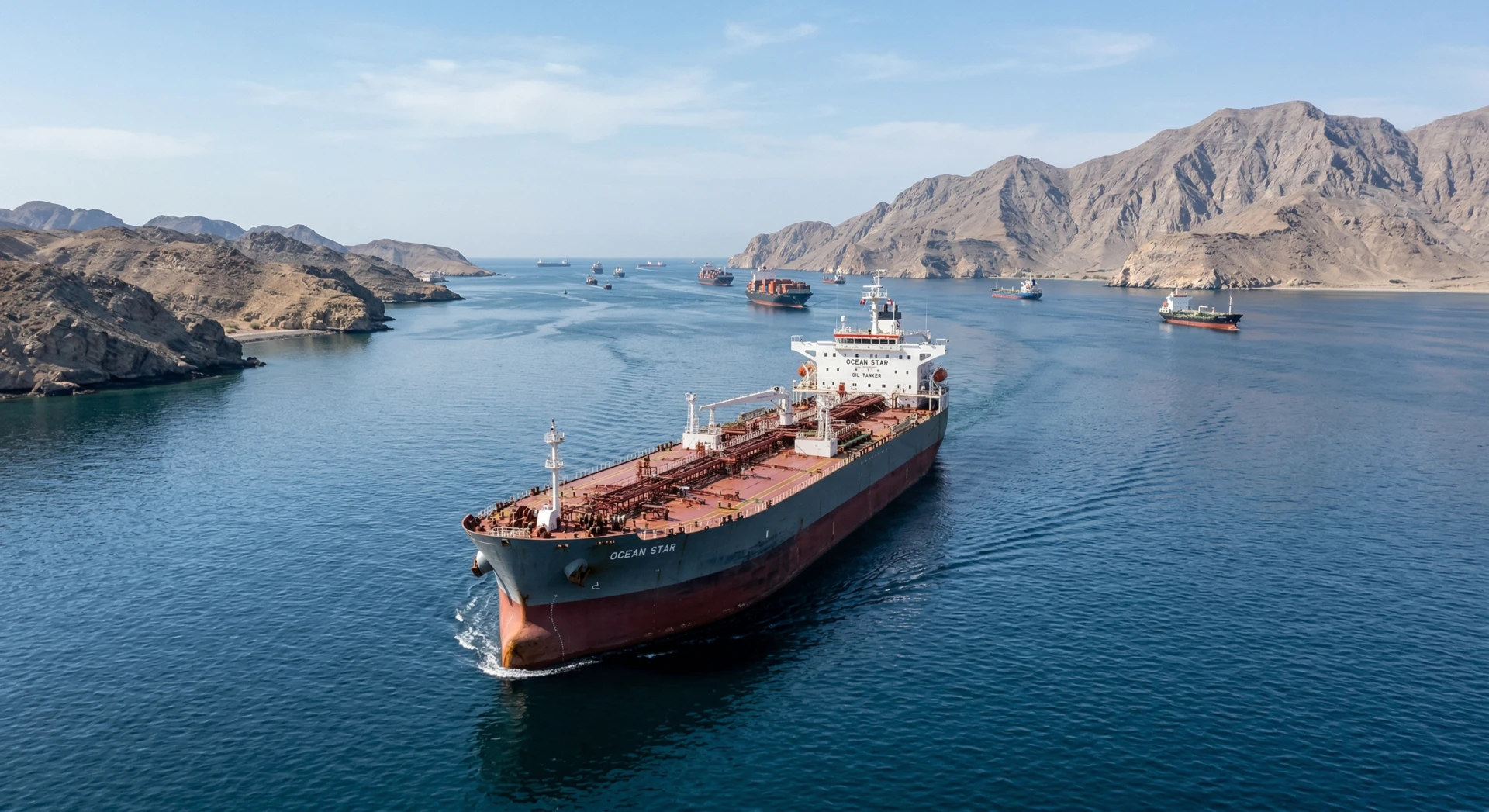
Very Large Crude Carriers (VLCCs) tankers capable of carrying 2 million barrels of crude oil are earning $424,000 per day on Middle East Gulf to China routes, up 94% from Friday alone. The rate surge followed Iran's drone attack on the UAE's Fujairah oil hub, which sparked a fire and injured three workers. An ADNOC linked tanker was also struck by drones while transiting the Strait of Hormuz. For a standard 300,000 deadweight tonne VLCC, this translates to voyage earnings of roughly $25 million for a 30 day round trip five times the $5 million earned at normal rates.
Market participants question whether these "eyewatering" rates reflect actual concluded deals or merely index calculations driven by failed fixtures. Tankers International had posted no new VLCC fixture data since Friday, while brokers reported "rumours of w450-plus rates" that remained unconfirmed. The Baltic Dirty Tanker Index (BDTI) a composite measure of crude tanker rates across all vessel classes uses these route assessments to determine global freight benchmarks. When actual transaction data is sparse, the index can be distorted by theoretical rate quotes that shipowners post but charterers reject as commercially unviable.
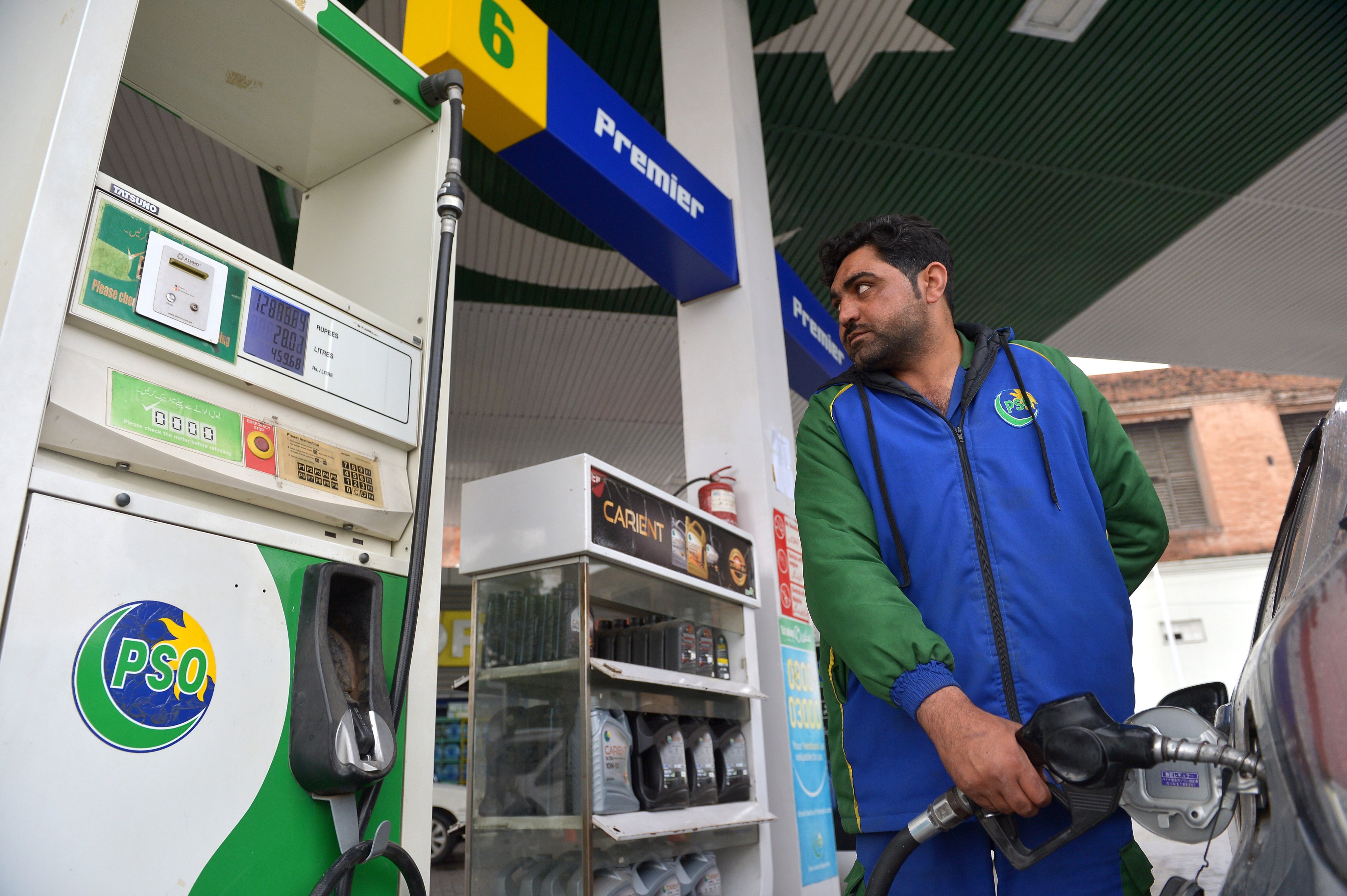
The TD2 index measuring Middle East Gulf to Singapore rates increased only 16% to $258,000 daily, creating a $165,760 gap with the China route despite similar voyage profiles. This spread indicates that China-bound cargoes carry additional war risk premiums that Singapore-bound shipments do not. For crude buyers, the differential represents the cost of securing energy supplies when alternative sources are constrained. Chinese refiners face an additional $8-12 per barrel in freight costs compared to regional competitors a margin that will be passed through to domestic fuel prices.
Outside conflict zones, freight contagion is spreading: West Africa to China VLCC rates jumped 40% to $264,523 daily, while US Gulf to China rates rose 23% to $154,565 daily. This demonstrates how Persian Gulf disruptions create demand for alternative crude sources, forcing longer voyage routes that absorb available tonnage. A West African crude cargo to China requires 45 days versus 25 days from the Middle East effectively removing vessels from the market for extended periods. The Baltic's global VLCC average reached $280,941 daily, the highest since March 2020's COVID-era floating storage boom.
On the buy side: Chinese independent refiners known as "teapots" face landed crude costs $15-20 per barrel above normal levels when freight and war risk insurance are included. With Brent crude at $114.44 per barrel and freight adding another $12-15/barrel, total delivered costs approach $130/barrel near the threshold where refining margins turn negative for lower complexity plants. These operators are deferring purchases or seeking shorter-term contracts to avoid locking in elevated freight rates.
On the sell side: Persian Gulf crude exporters lose pricing power as freight costs erode netback values to wellhead. Saudi Arabia's Arab Light crude, typically priced at a $2-3 premium to Brent, now trades at parity or slight discounts when freight costs are factored. Iran's declaration of a "maritime control zone" requiring coordination with Iranian forces has effectively weaponized shipping logistics, creating a bottleneck that benefits non-Gulf crude producers. Nigerian Bonny Light and Brazilian crude gain $8-10/barrel pricing advantage over Gulf alternatives.
For large integrated trading houses Vitol, Trafigura, Glencore with substantial tanker fleets, the current environment creates windfall profits on owned tonnage while increasing costs for chartered vessels. A major trader operating 50 VLCCs earns an additional $10 million daily in freight income at current rates. However, war risk insurance has been withdrawn or repriced dramatically, with coverage costs now exceeding $1 million per voyage. These traders can self-insure through captive insurance companies, giving them operational advantages over smaller competitors.
For smaller regional operators independent oil companies, national oil companies without large fleets the freight spike creates existential commercial pressure. A mid-sized trader chartering a single VLCC cargo faces $20-25 million in freight costs versus $8 million pre-crisis. With unclear operational details on U.S. escort procedures and continued active threats, insurers and vessel operators are unlikely to quickly resume normal transits. These operators are reducing cargo sizes, switching to smaller vessel classes, or suspending Persian Gulf operations entirely.
Oil prices increasingly reflect the prospect of a prolonged standoff amid a historic energy shock, with economic fallout now set to ripple into 2027. Forward Freight Agreement (FFA) instruments show the market expects rates to moderate: Q4 2026 freight is priced at $23.40 per metric tonne, roughly half current levels. Qatar Energy moved a tanker to Oman's Qalhat terminal to load LNG outside the Strait of Hormuz the first such loading since the conflict began in February. For observers, monitor the Baltic Exchange TD3C index daily: sustained readings above $300,000 indicate structural supply disruption rather than temporary rate volatility. A drop below $150,000 within 10 trading days would signal that alternative routing and insurance solutions are normalizing freight markets.
.jpg)
.jpg)

'%3e%3cg id='Final-Copy-2_2_' transform='translate(1275.000000, 200.000000)'%3e%3cpath class='st0' d='M7.4,12.8h6.8l3.1-11.6H7.4C4.2,1.2,1.6,3.8,1.6,7S4.2,12.8,7.4,12.8z'/%3e%3c/g%3e%3c/g%3e%3c/g%3e%3cg id='final---dec.11-2020'%3e%3cg id='_x30_208-our-toggle' transform='translate(-1275.000000, -200.000000)'%3e%3cg id='Final-Copy-2' transform='translate(1275.000000, 200.000000)'%3e%3cpath class='st1' d='M22.6,0H7.4c-3.9,0-7,3.1-7,7s3.1,7,7,7h15.2c3.9,0,7-3.1,7-7S26.4,0,22.6,0z M1.6,7c0-3.2,2.6-5.8,5.8-5.8 h9.9l-3.1,11.6H7.4C4.2,12.8,1.6,10.2,1.6,7z'/%3e%3cpath id='x' class='st2' d='M24.6,4c0.2,0.2,0.2,0.6,0,0.8l0,0L22.5,7l2.2,2.2c0.2,0.2,0.2,0.6,0,0.8c-0.2,0.2-0.6,0.2-0.8,0 l0,0l-2.2-2.2L19.5,10c-0.2,0.2-0.6,0.2-0.8,0c-0.2-0.2-0.2-0.6,0-0.8l0,0L20.8,7l-2.2-2.2c-0.2-0.2-0.2-0.6,0-0.8 c0.2-0.2,0.6-0.2,0.8,0l0,0l2.2,2.2L23.8,4C24,3.8,24.4,3.8,24.6,4z'/%3e%3cpath id='y' class='st3' d='M12.7,4.1c0.2,0.2,0.3,0.6,0.1,0.8l0,0L8.6,9.8C8.5,9.9,8.4,10,8.3,10c-0.2,0.1-0.5,0.1-0.7-0.1l0,0 L5.4,7.7c-0.2-0.2-0.2-0.6,0-0.8c0.2-0.2,0.6-0.2,0.8,0l0,0L8,8.6l3.8-4.5C12,3.9,12.4,3.9,12.7,4.1z'/%3e%3c/g%3e%3c/g%3e%3c/g%3e%3c/g%3e%3c/svg%3e) Privacy Choices
Privacy Choices