.avif)

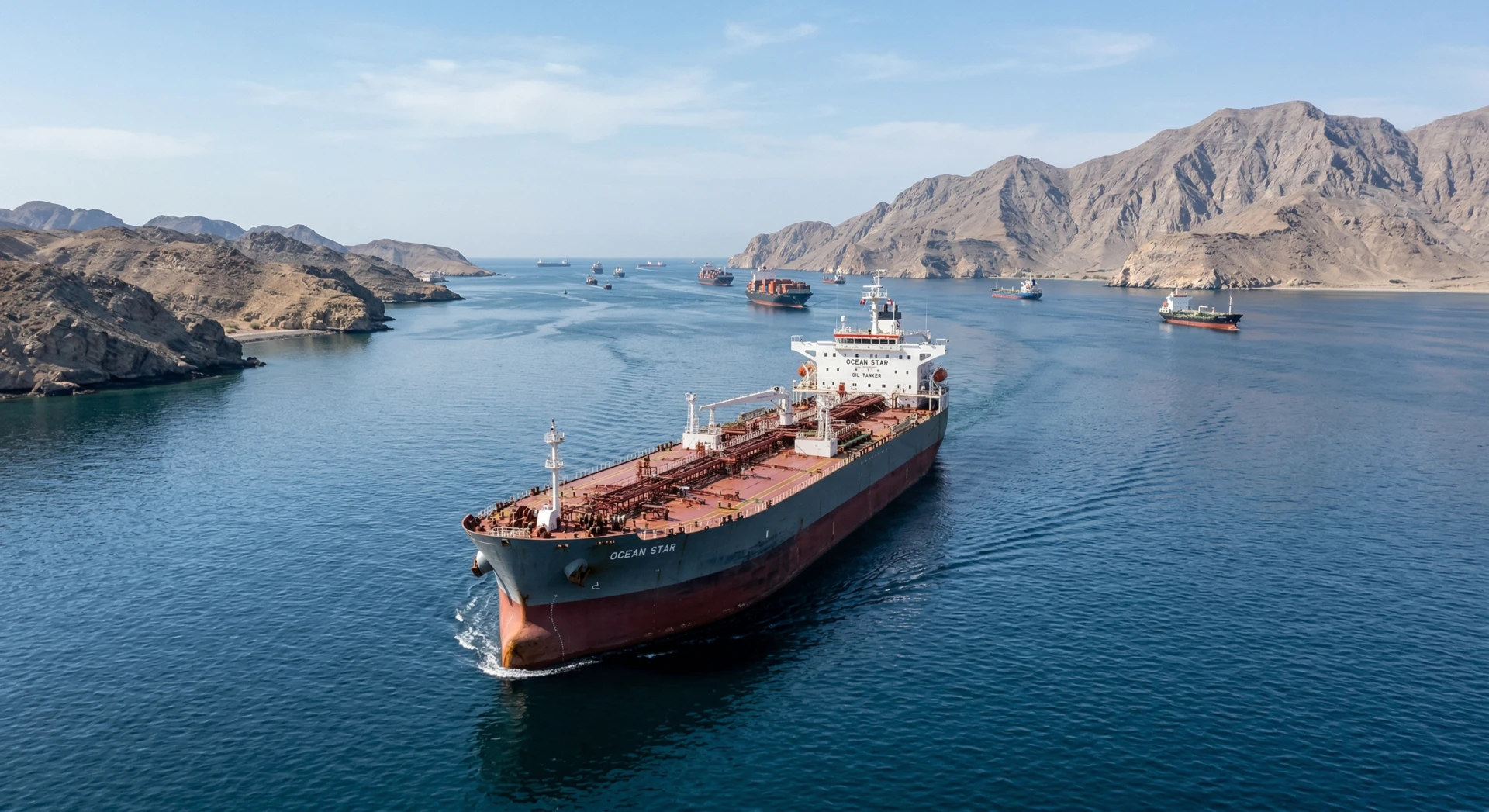
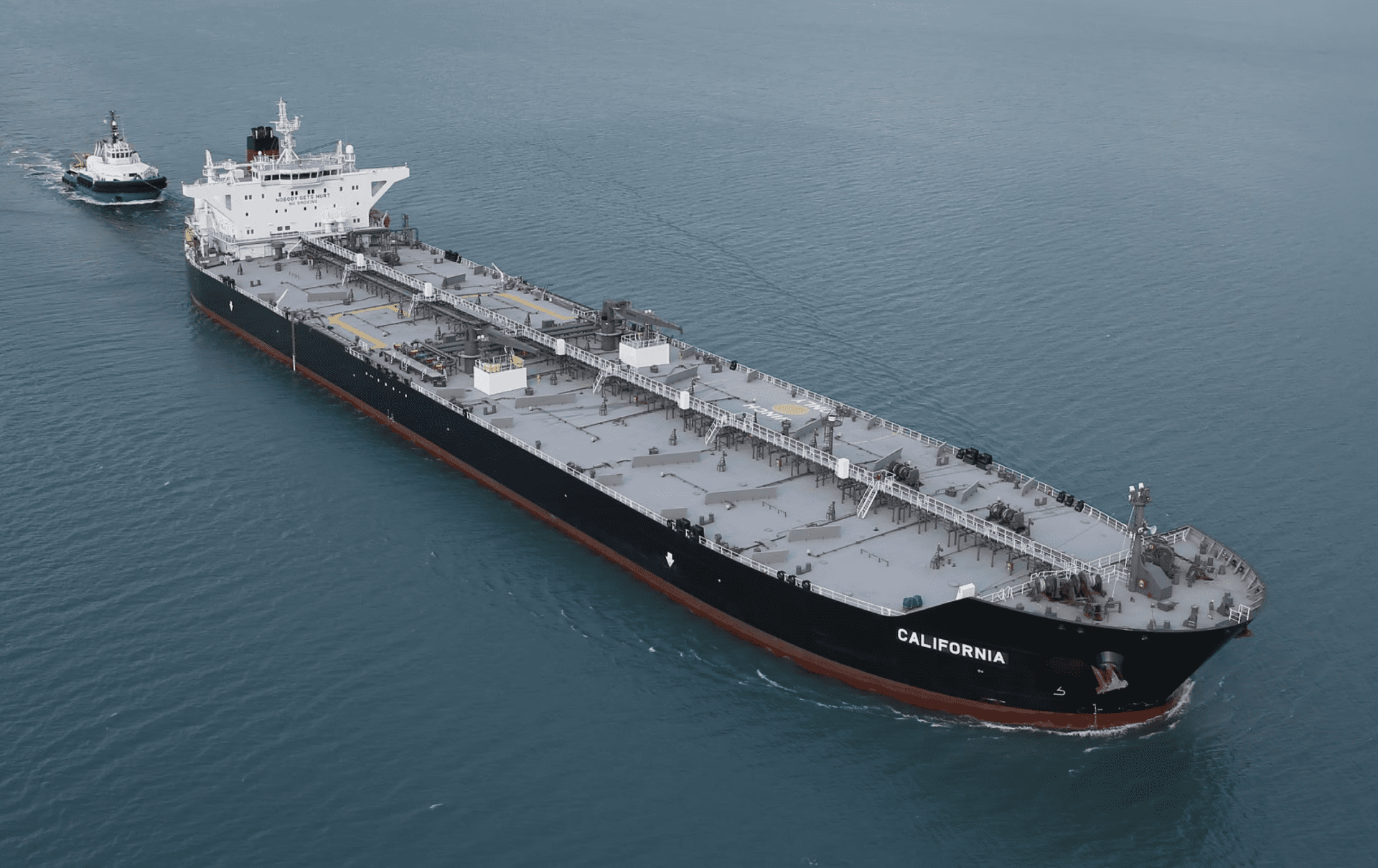
Canadian heavy crude producers stand to recover $2–5 per barrel in netback pricing the price a producer actually receives after transportation and quality deductions if the Bridger Pipeline Expansion reaches full operation, but the earliest realistic date for that outcome is 2030, and the road between a presidential permit and first oil is longer and more contested than the headlines suggest.
President Trump signed a presidential permit on 30 April 2026 authorising Bridger Pipeline Expansion LLC to construct and operate cross border pipeline facilities at the U.S.-Canada border in Phillips County, Montana. The permit covers a 36 inch diameter pipe segment from the border crossing to the first shut off valve or pumping station on the U.S. side no more. The 650 mile line itself, which would carry up to 550,000 barrels per day (bpd) of Canadian heavy crude through eastern Montana and Wyoming to connect with existing pipeline infrastructure near Cushing adjacent hubs, requires a separate and substantial stack of federal, state, and local approvals: environmental assessments from the Army Corps of Engineers, EPA sign-off, Montana and Wyoming state permitting, and FERC (Federal Energy Regulatory Commission the U.S. agency overseeing interstate energy infrastructure) review. Construction is expected to begin in 2027 at the earliest. The presidential permit is a necessary condition. It is not a sufficient one.
The commercial logic behind the project is straightforward. Western Canadian Select (WCS) the benchmark price for Canadian heavy, high sulphur bitumen blend crude typically trades at a discount to West Texas Intermediate (WTI), the U.S. benchmark, reflecting both quality differences and, critically, transportation constraints. That discount, known as the WCS differential, has historically ranged from $10 to over $40 per barrel in periods of pipeline congestion. When pipelines are full and producers must move barrels by rail a slower, more expensive, and operationally riskier method the differential widens, destroying producer margin. At 550,000 bpd of new dedicated capacity, Bridger would represent a structural loosening of that bottleneck. The enrichment modelling estimates a $2–5/bbl netback improvement across that volume, equivalent to between $400 million and $1 billion per year in aggregate producer revenue improvement at full capacity. That is the prize. It is four or more years away.
To make the numbers concrete: consider a mid-sized Alberta oil sands producer currently moving 40,000 bpd by a combination of Enbridge mainline allocation where capacity is rationed by pro-rata sharing among shippers and crude by rail. Rail freight from Alberta to U.S. Midwest refineries costs approximately $12–18/bbl, depending on origin terminal and destination, compared with $5–8/bbl for mainline pipeline. That $7–10/bbl rail premium, applied to 10,000 bpd of the producer's rail dependent volume, amounts to $25–36 million per year in excess transport cost. A fully operational Bridger corridor with competitive tariffs typically set through long-term shipper commitments called tolling agreements would recover most of that gap. But locking in those tariff positions now, before project sanction and final routing are confirmed, carries its own risk: if judicial challenges delay or kill the project, as they did with Keystone XL, committed shippers are exposed.
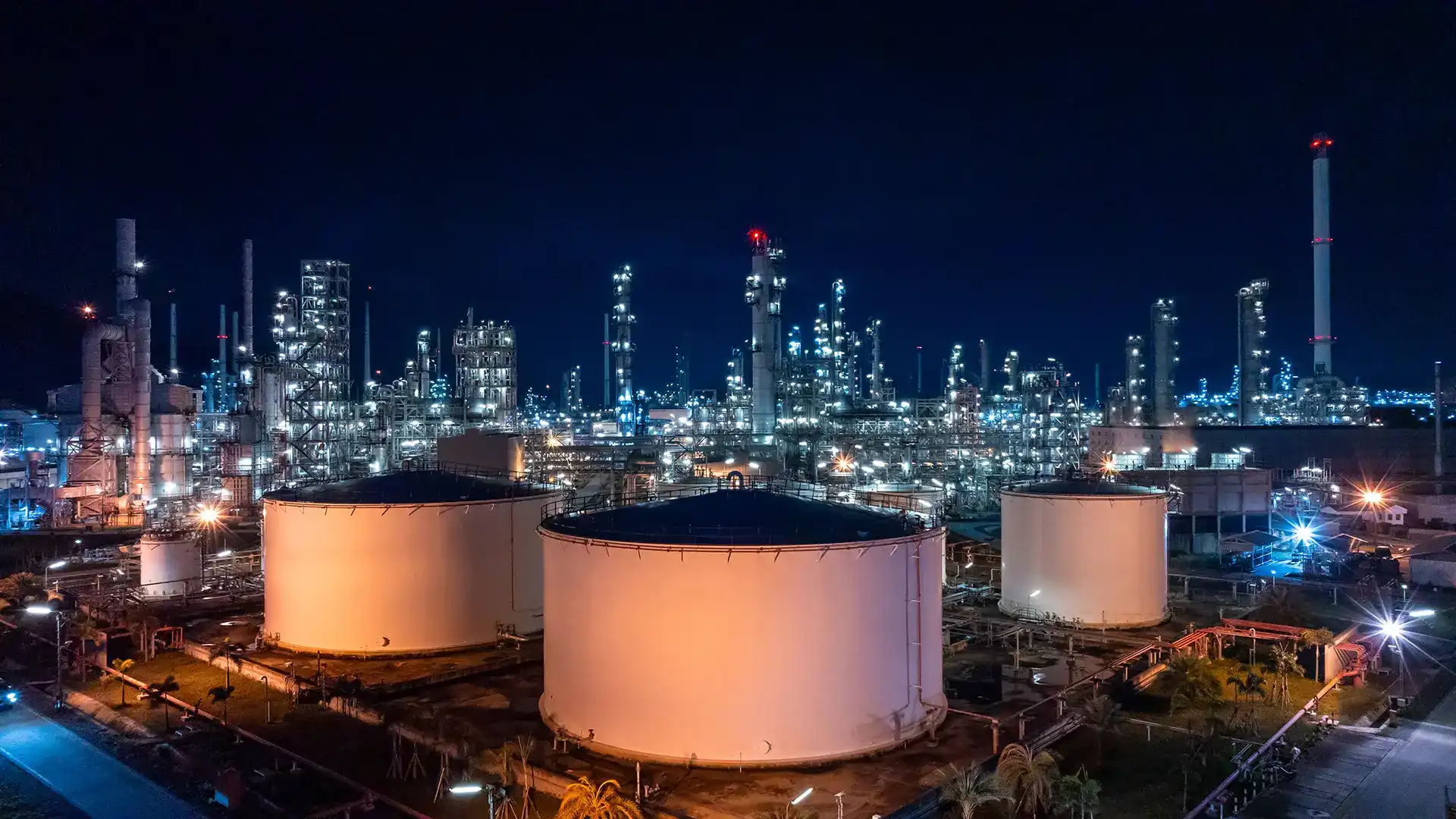
On the buy side, Midwest refineries particularly those in Wyoming, Colorado, and the broader PADD II region (Petroleum Administration for Defense District II, covering the U.S. Midwest) that are configured to run heavy sour crude would gain a more reliable, lower-cost source of Canadian feedstock. These refineries have invested heavily in coking and desulphurisation units (equipment that processes heavy, sulphur rich crude into clean transport fuels) precisely because Canadian heavy offers a persistent discount. Wider, more stable WCS differentials are their competitive advantage; a narrowing differential, paradoxically, reduces their feedstock cost edge. If Bridger compresses the WCS spread from, say, $15/bbl to $10/bbl by improving supply logistics, a refinery running 100,000 bpd of WCS feedstock loses approximately $500,000 per day in relative feedstock advantage compared to peers running lighter crude. On the sell side, Canadian producers particularly integrated oil sands operators such as Cenovus, Canadian Natural Resources, and Suncor gain netback and optionality. Smaller producers without long-term pipeline contracts gain most, since they bear the highest exposure to spot rail premiums.
For large integrated traders and national oil company trading arms with derivatives access, the near-term play is in the WCS differential itself. If the market prices in permit optimism prematurely tightening the WCS-WTI spread before any concrete construction progress that move is likely to mean-revert as legal challenges accumulate and timelines slip. The WCS differential is quoted on ICE and CME; a trader who believes the spread has tightened beyond fundamentals can express that view through calendar spread positions or options on the differential. The cost of that optionality is currently modest given the multi-year uncertainty. For smaller regional operators an independent crude marketer moving Canadian barrels by rail on short-term contracts, or a regional refinery buying spot WCS the practical equivalent is to avoid extending rail freight contracts beyond 12 months at current rates. If pipeline progress is genuine, rail premiums will compress. If it stalls, current rates persist. Staying short duration on rail commitments preserves flexibility without requiring derivatives access.
Observers should watch two specific signals over the next 90 days. First: Montana and Wyoming state environmental agency dockets for Bridger Pipeline applications the moment those filings appear, it establishes a reviewable timeline and triggers the public comment period during which environmental groups have historically filed injunctions. Second: the WCS differential as published weekly by the Canadian Association of Petroleum Producers (CAPP) and on the CME WCS futures strip. A sustained tightening of the WCS-WTI spread beyond $12/bbl the current rough equilibrium without corresponding pipeline construction milestones is a signal that sentiment, not fundamentals, is driving pricing. That divergence is where both the risk and the opportunity concentrate. The presidential permit is real. First oil through a completed Bridger line is not a 2026 story, or a 2027 story. It is, at best, a 2030 story and only if the legal, environmental, and Indigenous consultation processes that derailed its predecessor do not repeat.

.jpg)


'%3e%3cg id='Final-Copy-2_2_' transform='translate(1275.000000, 200.000000)'%3e%3cpath class='st0' d='M7.4,12.8h6.8l3.1-11.6H7.4C4.2,1.2,1.6,3.8,1.6,7S4.2,12.8,7.4,12.8z'/%3e%3c/g%3e%3c/g%3e%3c/g%3e%3cg id='final---dec.11-2020'%3e%3cg id='_x30_208-our-toggle' transform='translate(-1275.000000, -200.000000)'%3e%3cg id='Final-Copy-2' transform='translate(1275.000000, 200.000000)'%3e%3cpath class='st1' d='M22.6,0H7.4c-3.9,0-7,3.1-7,7s3.1,7,7,7h15.2c3.9,0,7-3.1,7-7S26.4,0,22.6,0z M1.6,7c0-3.2,2.6-5.8,5.8-5.8 h9.9l-3.1,11.6H7.4C4.2,12.8,1.6,10.2,1.6,7z'/%3e%3cpath id='x' class='st2' d='M24.6,4c0.2,0.2,0.2,0.6,0,0.8l0,0L22.5,7l2.2,2.2c0.2,0.2,0.2,0.6,0,0.8c-0.2,0.2-0.6,0.2-0.8,0 l0,0l-2.2-2.2L19.5,10c-0.2,0.2-0.6,0.2-0.8,0c-0.2-0.2-0.2-0.6,0-0.8l0,0L20.8,7l-2.2-2.2c-0.2-0.2-0.2-0.6,0-0.8 c0.2-0.2,0.6-0.2,0.8,0l0,0l2.2,2.2L23.8,4C24,3.8,24.4,3.8,24.6,4z'/%3e%3cpath id='y' class='st3' d='M12.7,4.1c0.2,0.2,0.3,0.6,0.1,0.8l0,0L8.6,9.8C8.5,9.9,8.4,10,8.3,10c-0.2,0.1-0.5,0.1-0.7-0.1l0,0 L5.4,7.7c-0.2-0.2-0.2-0.6,0-0.8c0.2-0.2,0.6-0.2,0.8,0l0,0L8,8.6l3.8-4.5C12,3.9,12.4,3.9,12.7,4.1z'/%3e%3c/g%3e%3c/g%3e%3c/g%3e%3c/g%3e%3c/svg%3e) Privacy Choices
Privacy Choices